
Storm damage roof repairs in Leatherhead, Surrey and South West LondonMade Safe Tonight,Repaired When It Is Dry.
High wind lifts tiles, drops ridge tiles and tears felt, and it usually does it at night. We come out, make the roof safe and watertight, and come back for the permanent repair once the weather has passed. Across Surrey and South West London, 24 hours a day.
Over 25 years on local roofs
Free survey and written quote
24 hour emergency call out
CORC member 8125
What we do
Storm Damage Roof Repairs,Start to Finish.
Made safe and watertight the same day, photographed for your insurer, and repaired at one written price when the weather has passed.
What Wind Does to a Roof
It gets under the covering. One loose tile lets the wind lift the row behind it, ridge tiles on old mortar are pushed off the apex, and felt that was exposed by a slipped tile tears back to the batten. A roof that lost three tiles in the storm can lose thirty in the next one if it is left.
Wind does not push a roof off; it lifts it. As air moves over the ridge it creates suction on the leeward slope, and any tile that is loose, unfixed or bedded on failed mortar is picked up and dropped. The edges, the ridge, the hips and the verges take the worst of it, which is why an old roof loses its ridge tiles first.
Since 2015 the British Standard for slating and tiling has required every tile on a new roof to be mechanically fixed, and ridge and hip tiles to be fixed rather than bedded alone, for exactly this reason. Older roofs were not built that way, which is why the same storm takes tiles off one house and not the one next door.
Making It Safe First
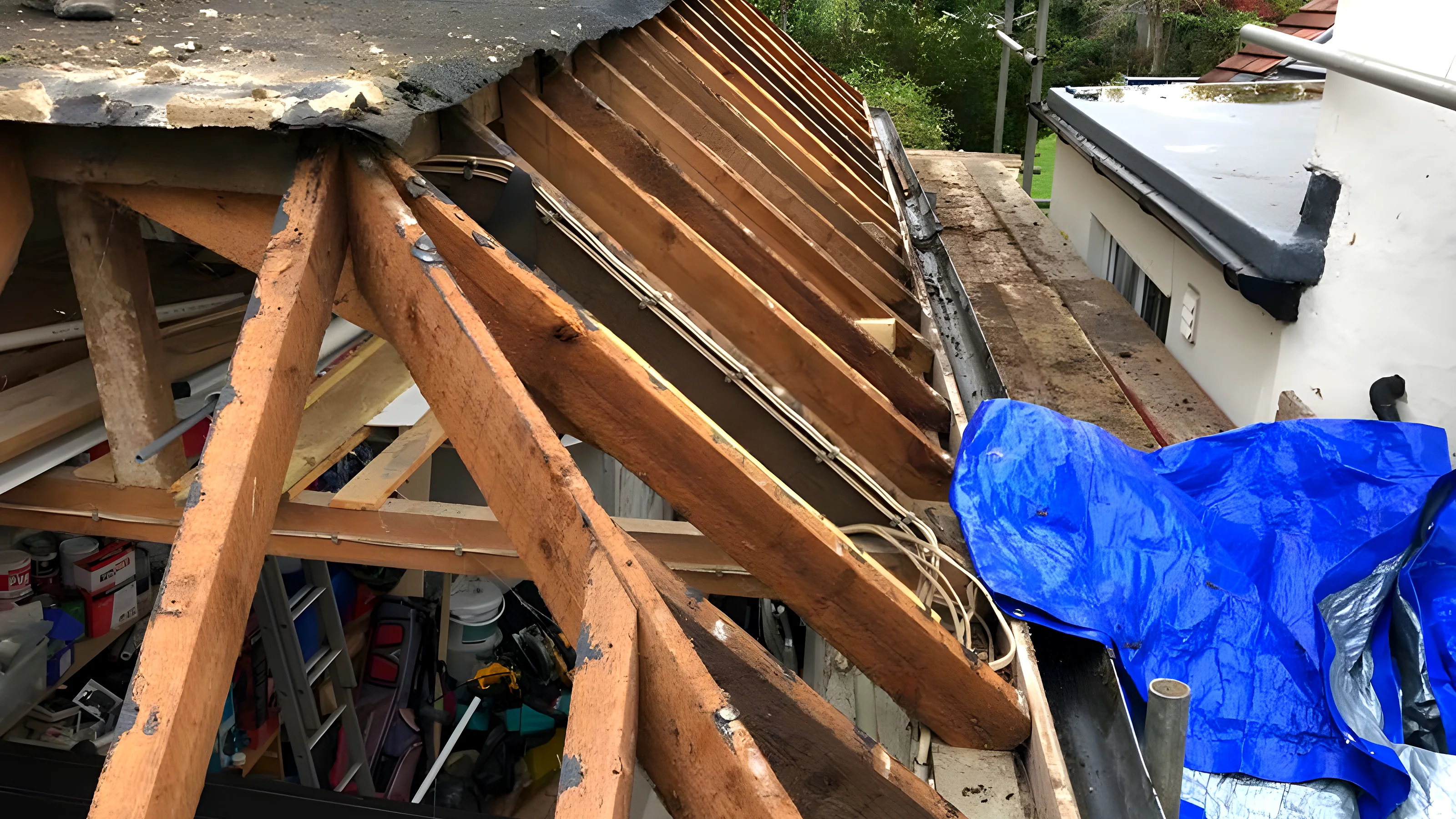
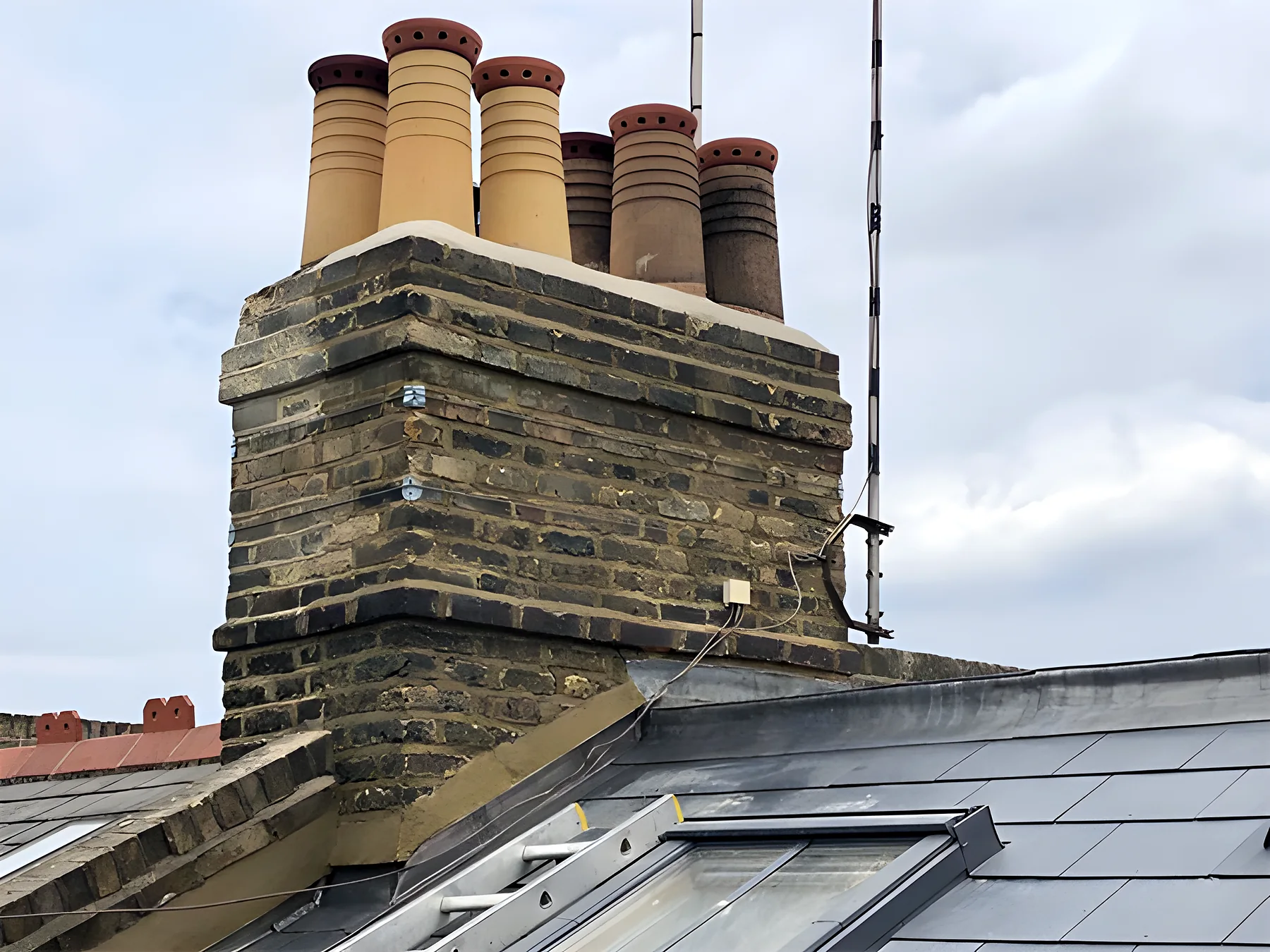
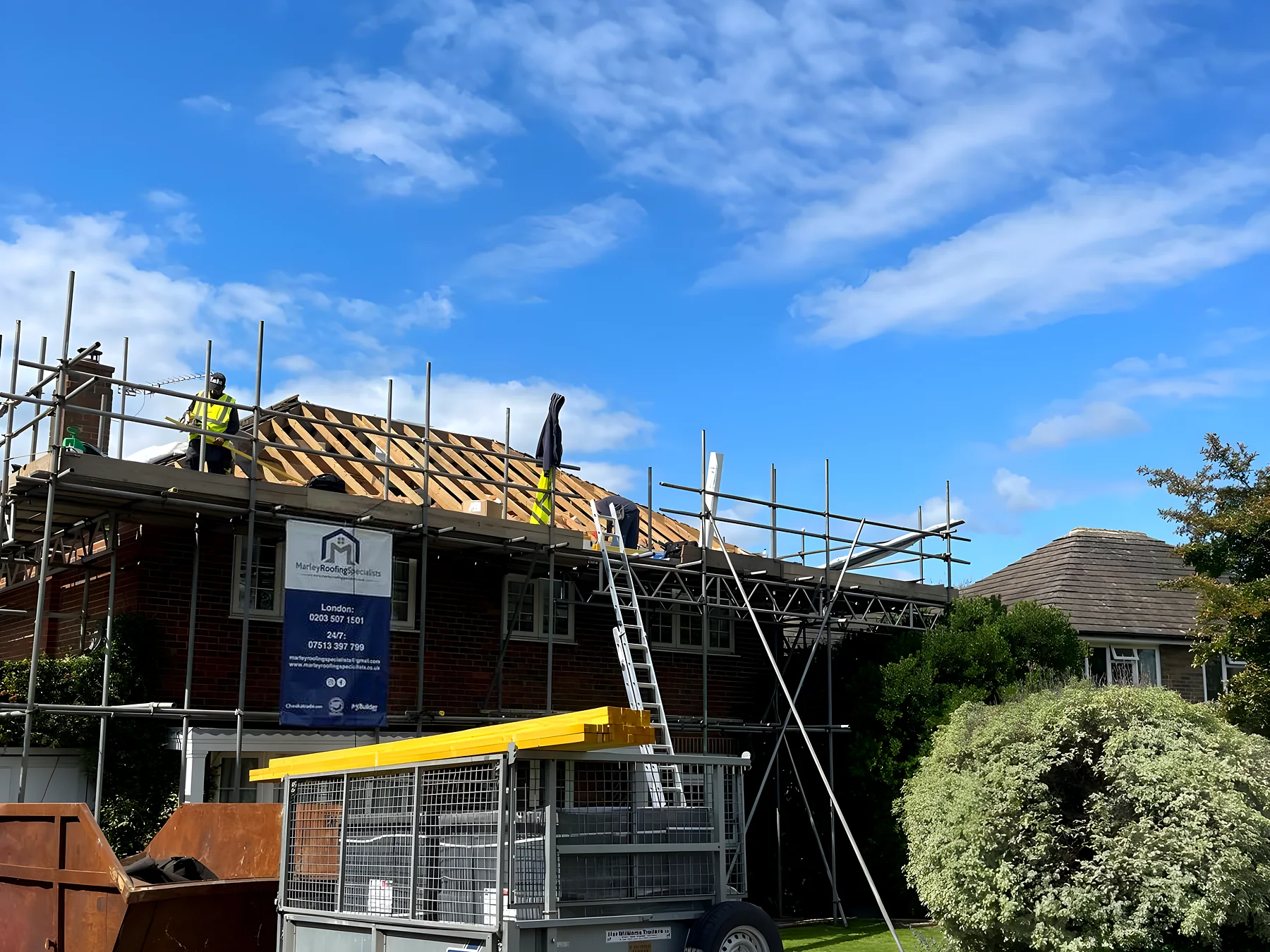
Loose tiles and slates come down before they fall on someone. Damaged sections are covered so the next shower stays out. Where a chimney pot or a length of guttering is hanging we take it down. Then we photograph everything before we leave.
A tile hanging from the eaves or a length of ridge balanced on the apex is a danger to anyone walking below. The first visit takes down what is loose, covers what is open, and photographs everything before it is moved, so the insurer sees the damage as the storm left it.
After a storm we prioritise calls by risk: a roof with water coming in or something hanging over a pavement comes before a few tiles in a garden. Tell us plainly what you can see from the ground and we will tell you where you are in the queue.
Ridge Tiles, Hips and Verges
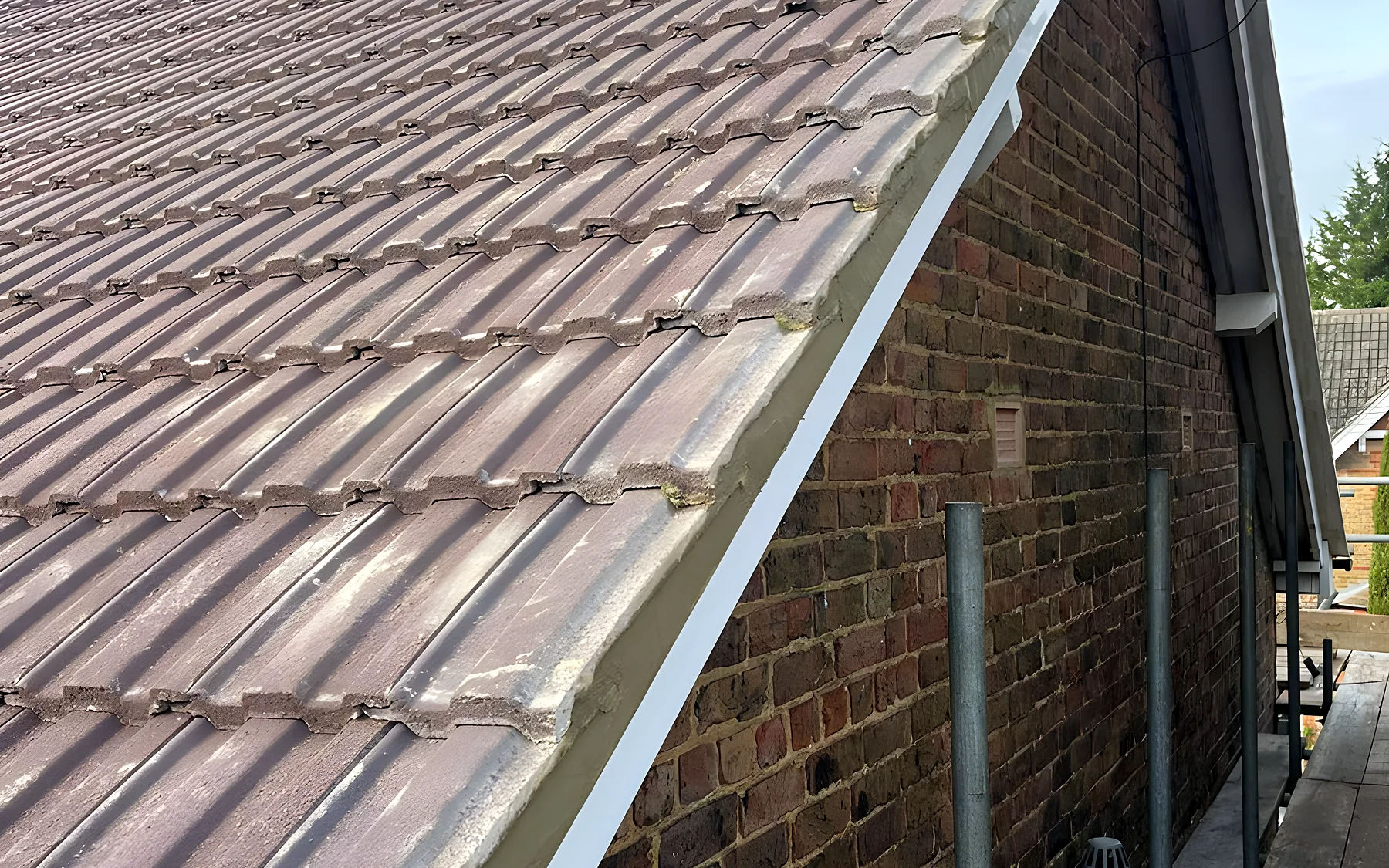
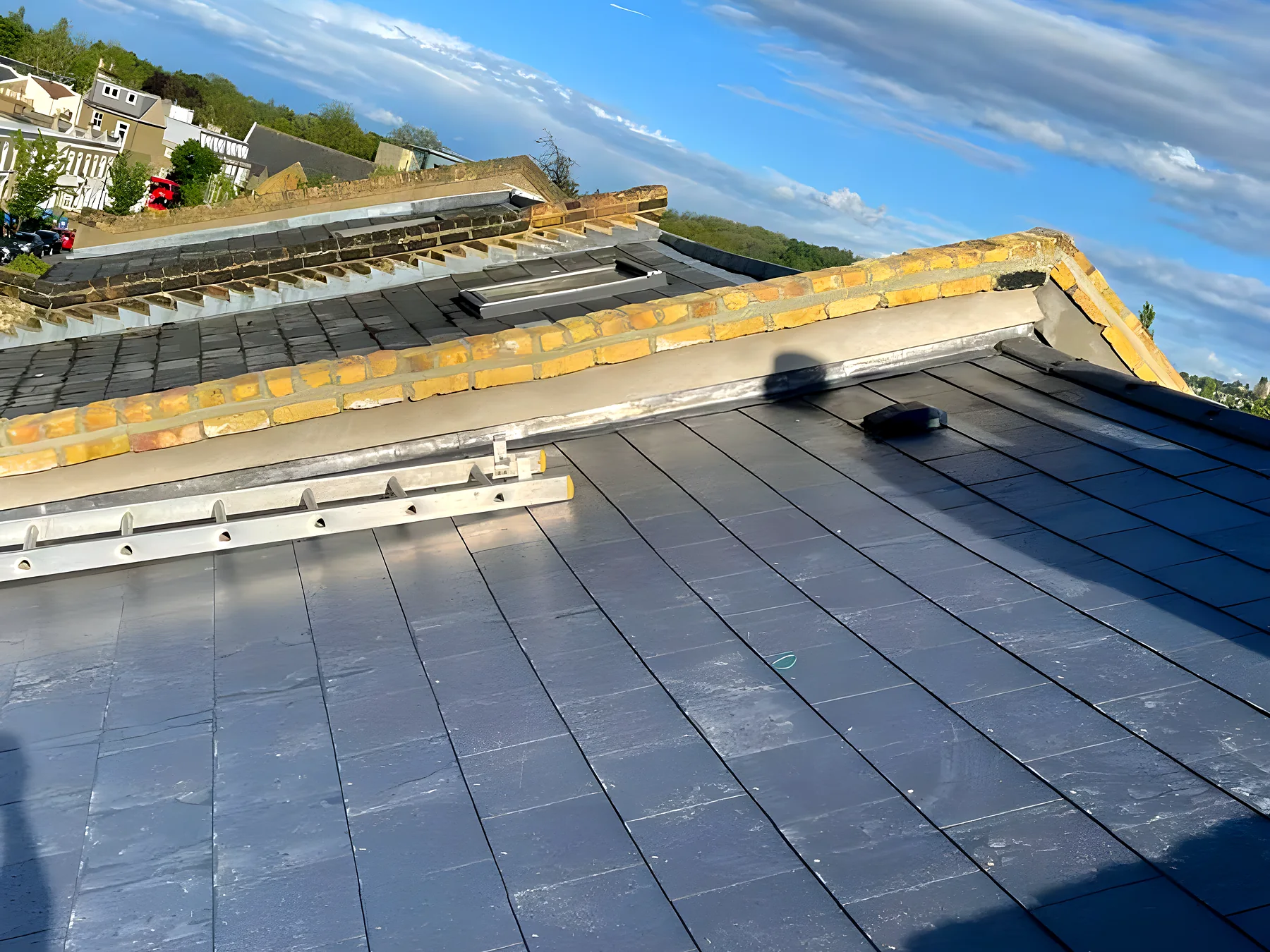
The edges of a roof take the worst of the wind, and on an older roof they are bedded on mortar that has long since let go. We re bed or dry fix ridge and hip tiles so they stay put, and point or re fix the verges.
Re bedding on mortar restores the roof to how it was, and on a period house that may be the right answer. Dry fixing screws each ridge and hip tile to a batten and seals the joint with a flexible strip, so the wind cannot lift it again. We recommend whichever suits the roof and quote for both if it helps.
A dry ridge or dry verge system fixes each tile to the roof structure with screws and clamps and seals the joint with a flexible strip, with no mortar to crack. Done to BS 5534 it will not come off in the next storm, and it is the repair we recommend on any roof that has lost its ridge once already.
Fallen Branches and Flat Roofs
A branch through a tiled roof is usually a few broken tiles and a torn felt. On a flat roof it is a puncture that lets water straight into the deck. Both need the cover on quickly and the permanent repair soon after.
A branch through a pitched roof usually breaks a few tiles and tears the underlay, which is a straightforward repair once the debris is cleared. On a flat roof a puncture lets water straight into the deck, so it needs covering the same day and repairing as soon as the roof is dry.
Where a branch has come through, the loft timbers are checked as well as the covering, because a heavy limb can crack a rafter without breaking the ceiling below. The report says what was checked and what was found.
The Permanent Repair
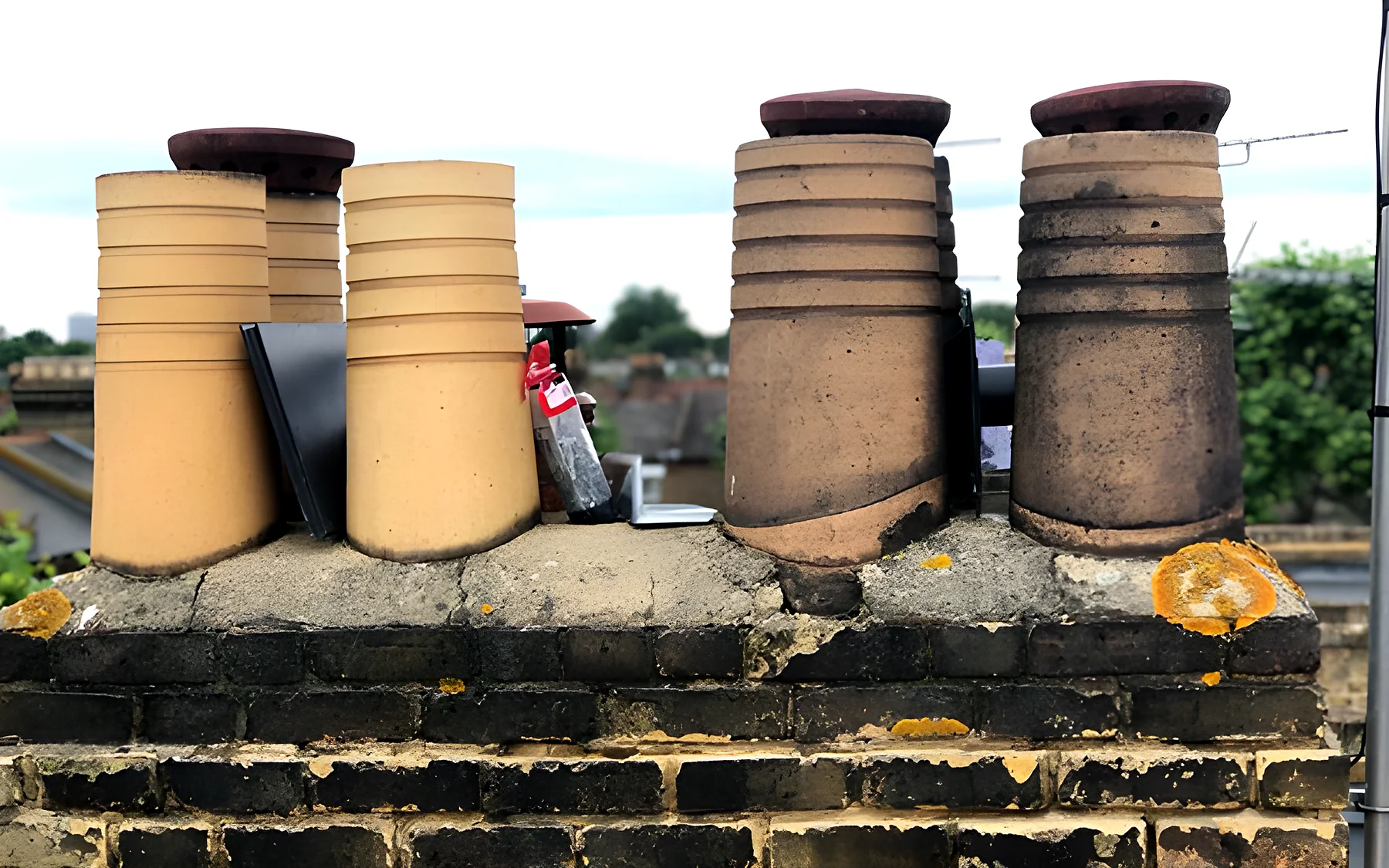
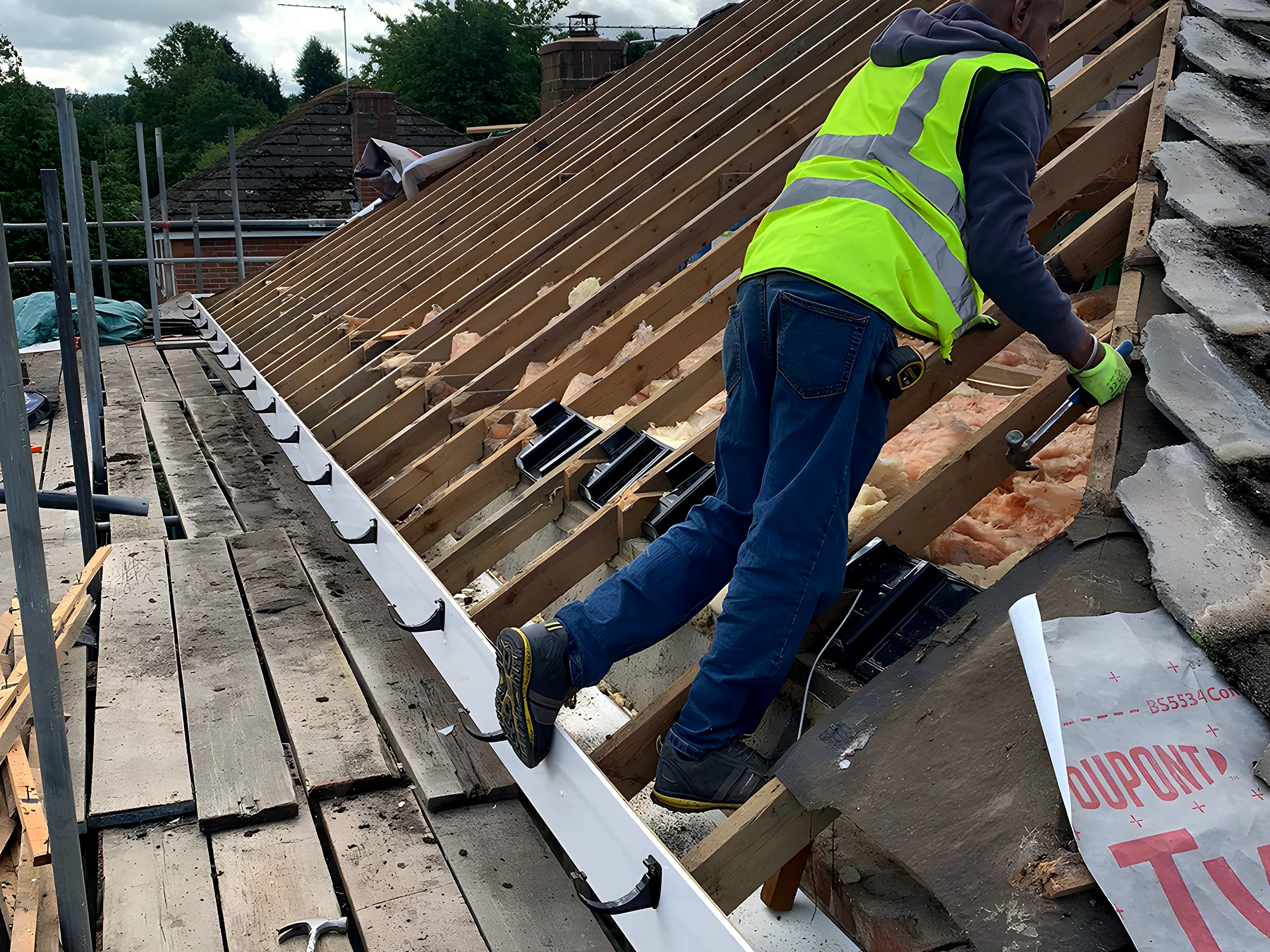
Once it is dry we replace what was lost, re fix what moved and check the slope around the damage, because if the wind moved one tile the fixings on its neighbours are the same age. One itemised written price, with the photographs.
The repair replaces what was lost and re fixes what moved, and it checks the slope around the damage, because a storm that shifted three tiles has loosened the ones beside them. Where the roof as a whole is at the end of its life we say so, and you can decide with the photographs in front of you.
Replacement tiles and slates are matched from reclaimed or current stock and fixed with nails or clips to BS 5534, with the verges pointed or dry fixed and the slope around the damage re fixed where the fixings have gone.
Photographs for Your Records
You get pictures of the damage as we found it, the roof made safe, and the finished repair, with the itemised quote. It is what an insurer asks for and it is what we would want ourselves.
The set covers the damage as we found it, the roof made safe, and the finished repair, with the itemised quote and invoice. It is what a claim needs and it is a record of the roof for whoever owns the house next.
If you are claiming, send the insurer the first visit photographs and our written description as soon as you have them; most policies ask for the damage to be reported promptly and the roof made safe, and both are covered by the first visit.
Sounds like your roof?
The Signs We AreUsually Called For.
- Tiles or slates on the ground after wind
- Ridge tiles missing or sitting loose on the apex
- Felt flapping where tiles have gone
- A sudden leak during or after a storm
- Guttering pulled away from the fascia
- A branch or debris lying on the roof
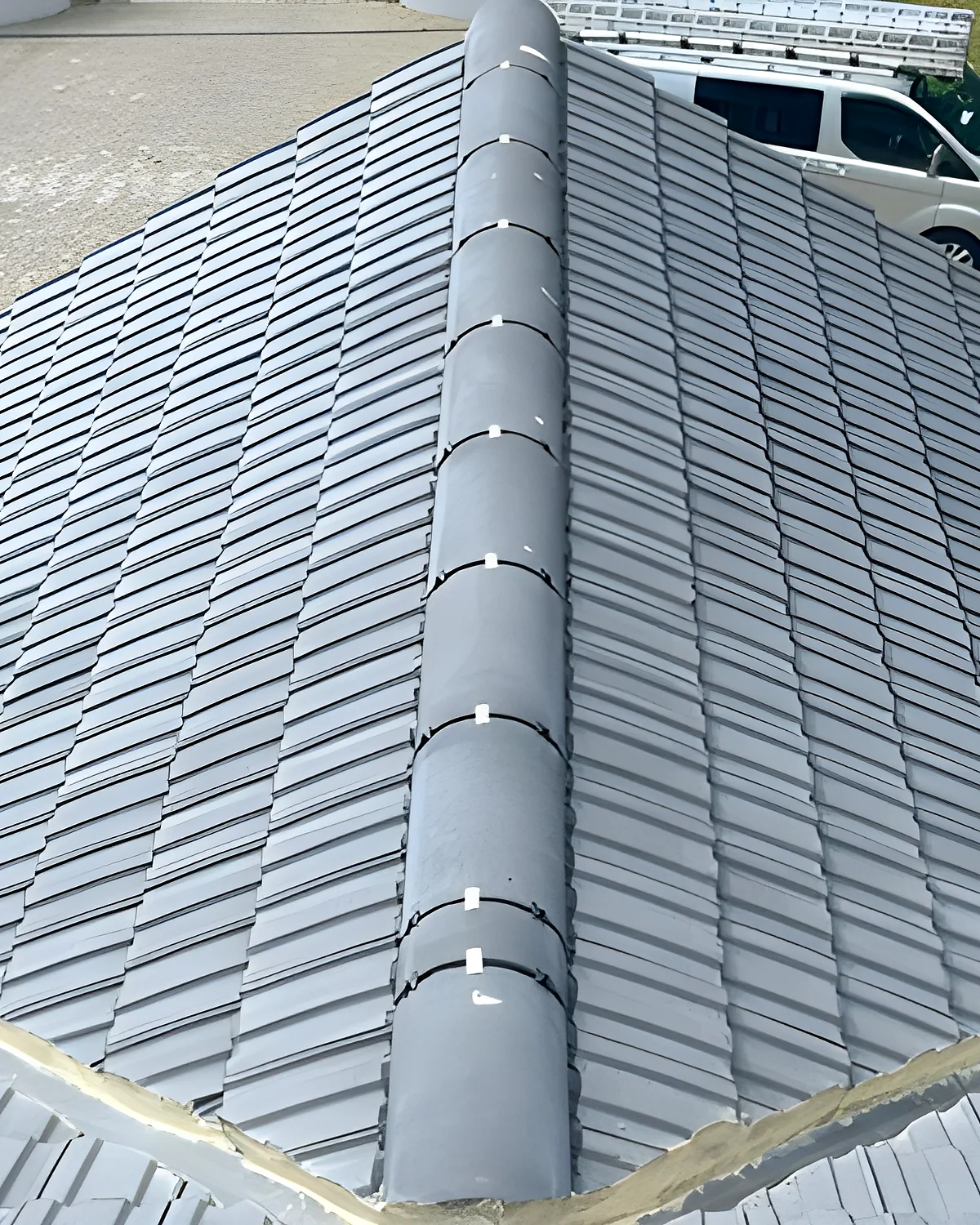
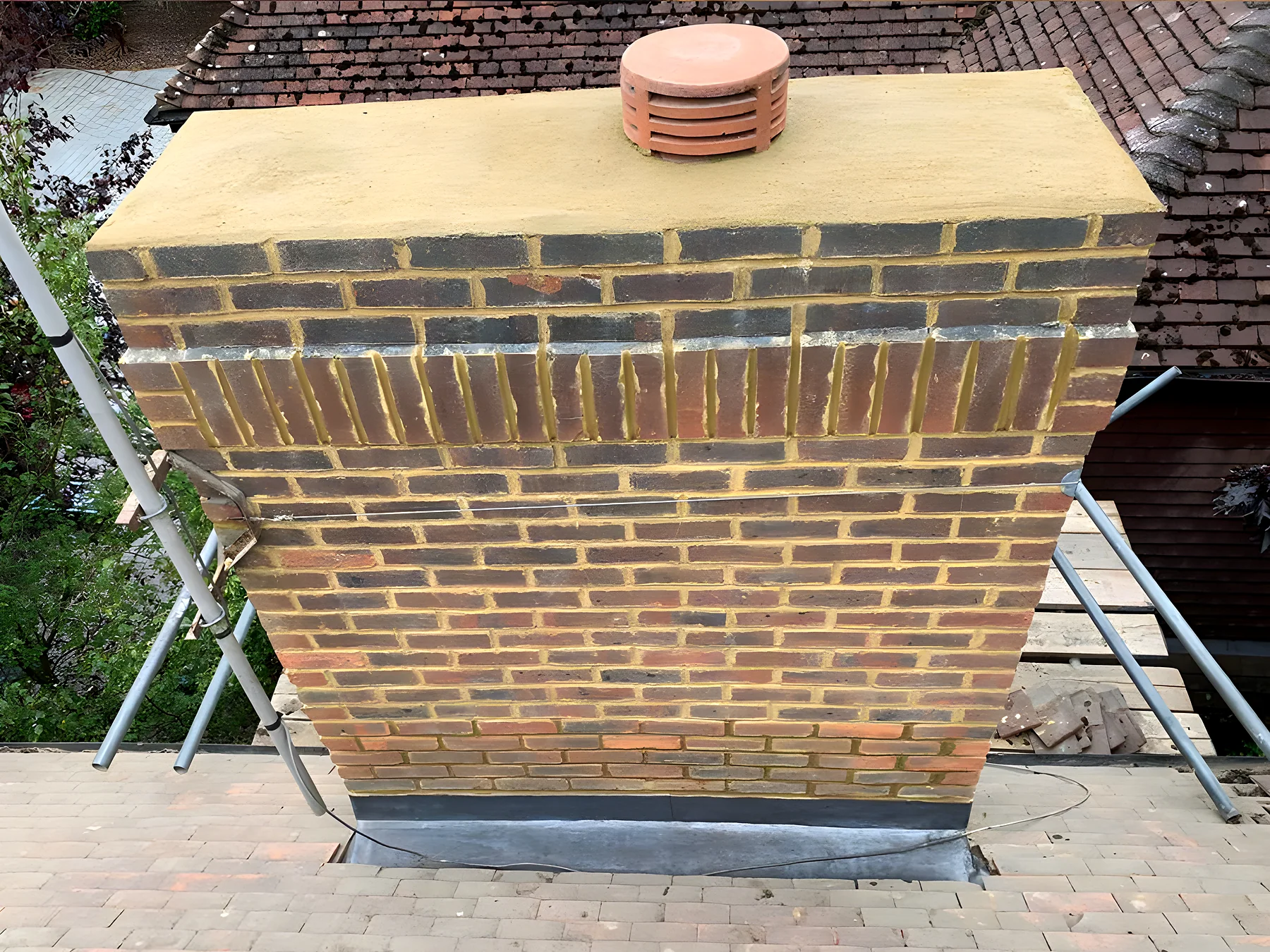
- A chimney pot or cowl that has come down
How it works
Storm Damage Roof Repairs:How It Works.
What happens between getting in touch and the finished job.
- 01
Call, Any Hour
07513 397 799 is answered day and night. Tell us what has come down and whether water is coming in.
- 02
Safe and Watertight
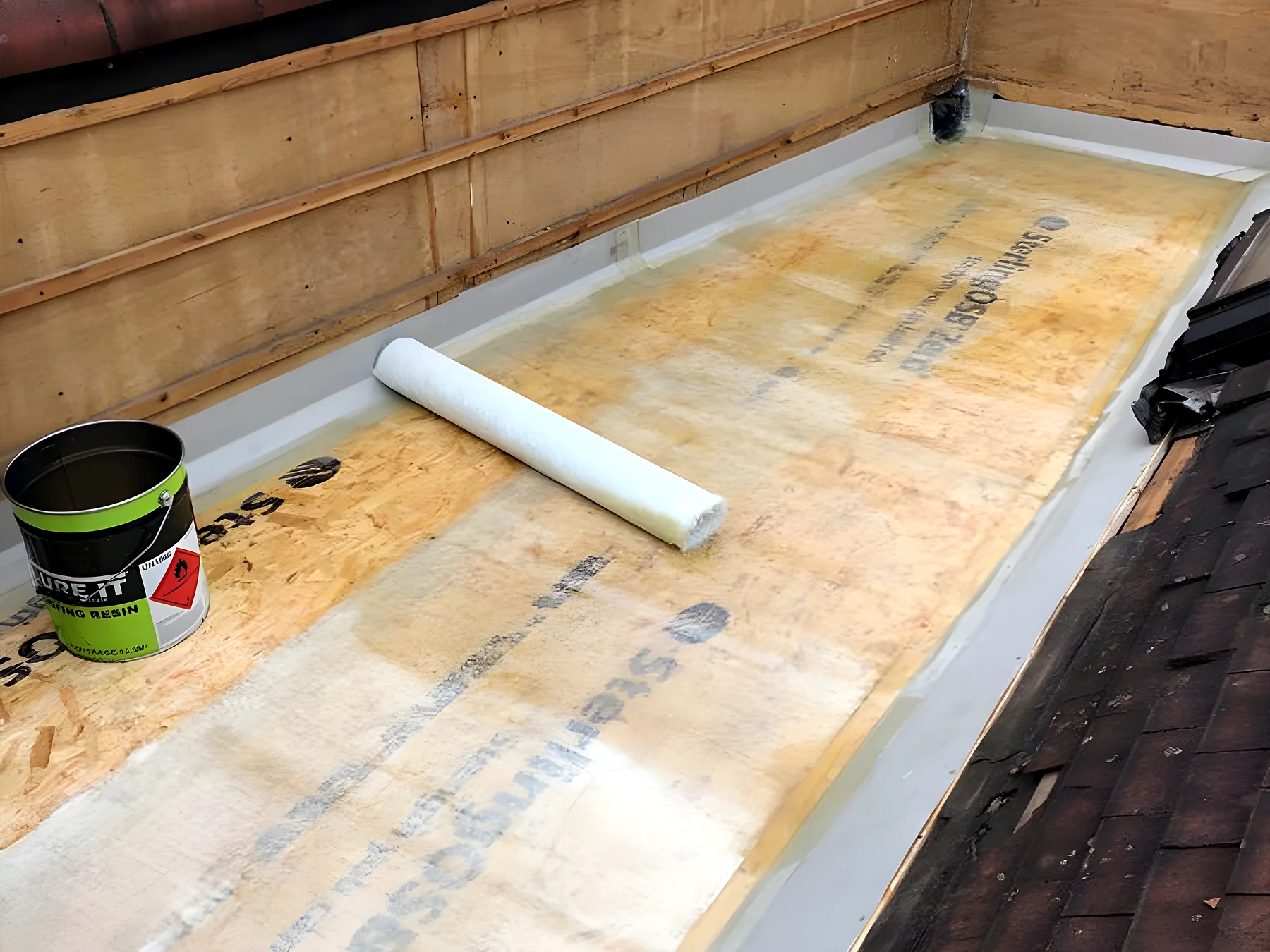
Loose tiles taken down, the damage covered, and the roof made safe before the next shower.
- 03
A Written Price
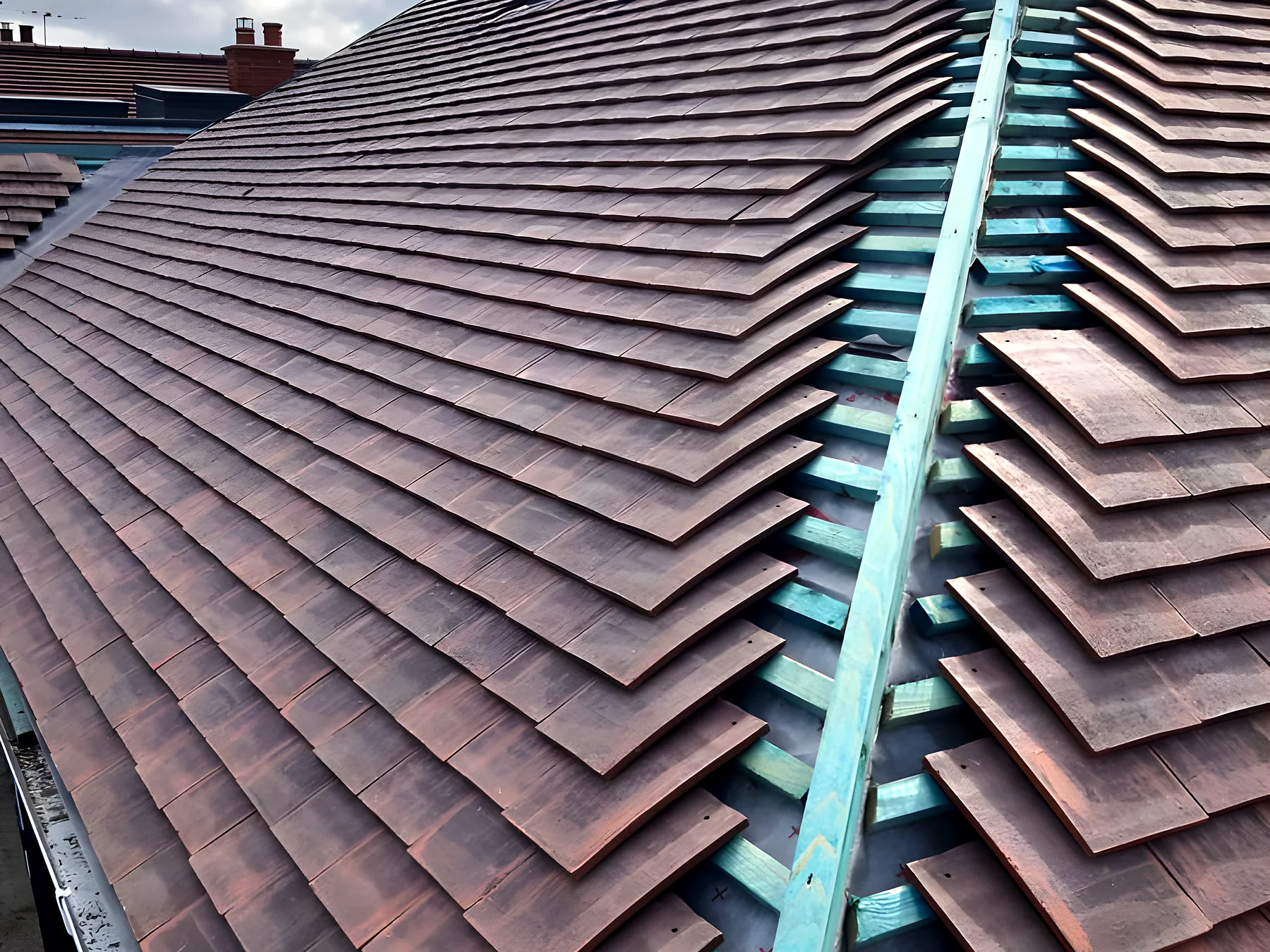
Once it is dry, a survey, photographs and an itemised quote for the permanent repair, in the form an insurer asks for.
- 04
The Repair, When It Is Dry
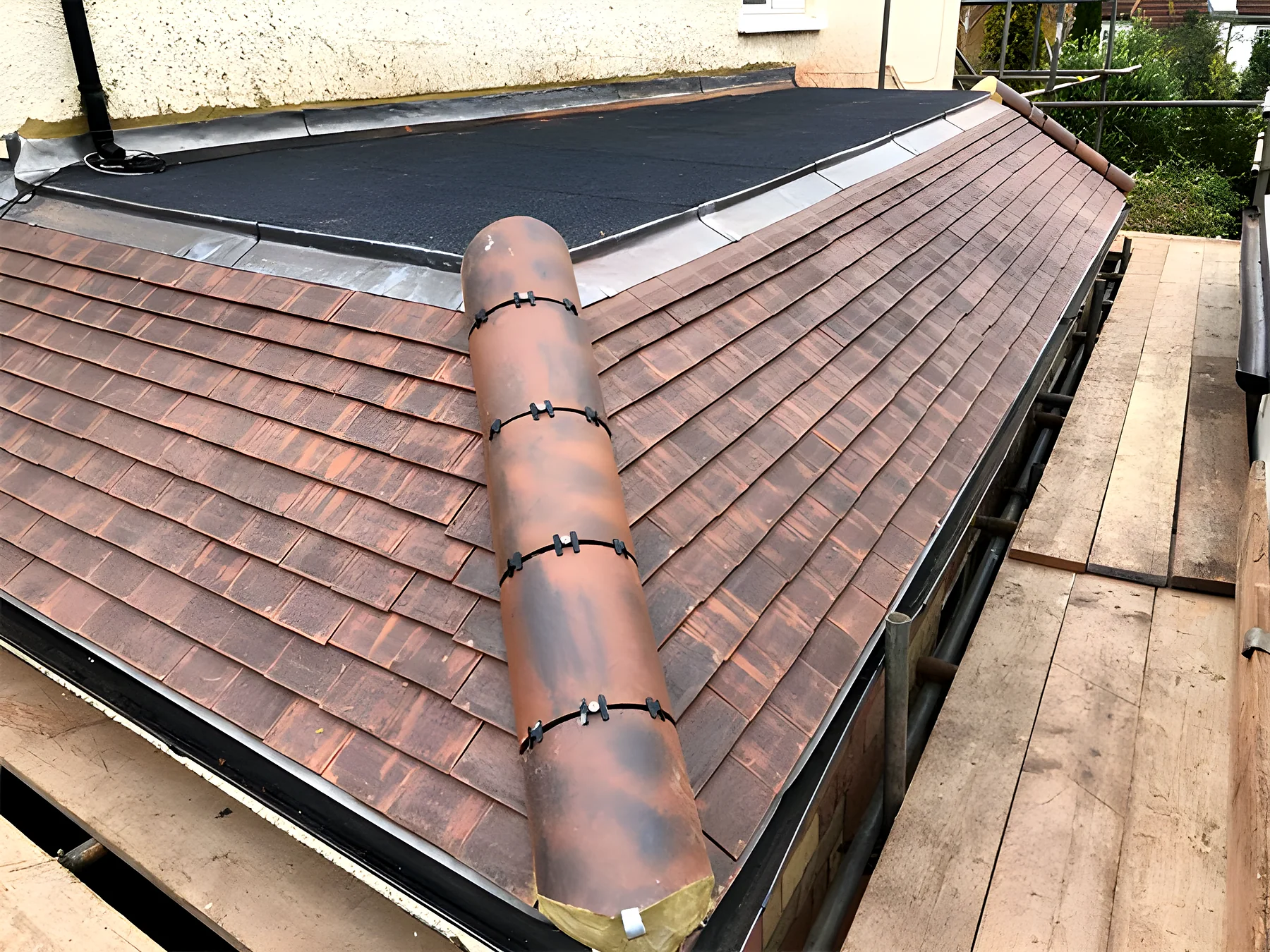
Lost tiles replaced, ridges and verges re fixed, the slope checked, and photographs of the finished repair.
Call, any hour
01 / 04
Storm damage roof repairs questions
The QuestionsPeople Ask First.
Anything not covered here, call 01372 540 258 and ask. You will get a roofer, not a call centre.
How quickly can you come out after a storm?
The same day wherever we can, and the mobile is answered 24 hours a day. In a big storm we go to live leaks and dangerous loose material first and tell you where you are in the queue.
Will you cover the roof if it cannot be repaired the same day?
Yes. A temporary cover keeps the weather out until the permanent repair can be done in the dry, and it is part of the first visit rather than a separate job.
Can I use your photographs for an insurance claim?
Yes. We photograph the damage before we touch it, again when it is made safe, and again when it is repaired, and you get all of them with an itemised quote. That is what an insurer normally asks for.
Is it safe to go up and look myself?
No. Wet tiles and a roof that has already moved are how people get hurt. Photograph it from the ground, keep people away from anything hanging, and call us.
Does storm damage mean I need a new roof?
Usually not. Most storm damage is a handful of tiles and a length of ridge. If the storm has exposed a roof that was already at the end, we will show you the photographs and say so.
Related work
Often NeededAlongside This.
Free survey and quote
Call Us, or Senda Photograph.
A picture from the ground is usually enough for us to tell you what we are looking at. The survey and the written quote are free, and there is no obligation on either.
- London
- 0203 507 1501
- Leatherhead
- 01372 540 258
- Reigate
- 01737 749202
- Mobile, 24 hours
- 07513 397 799