
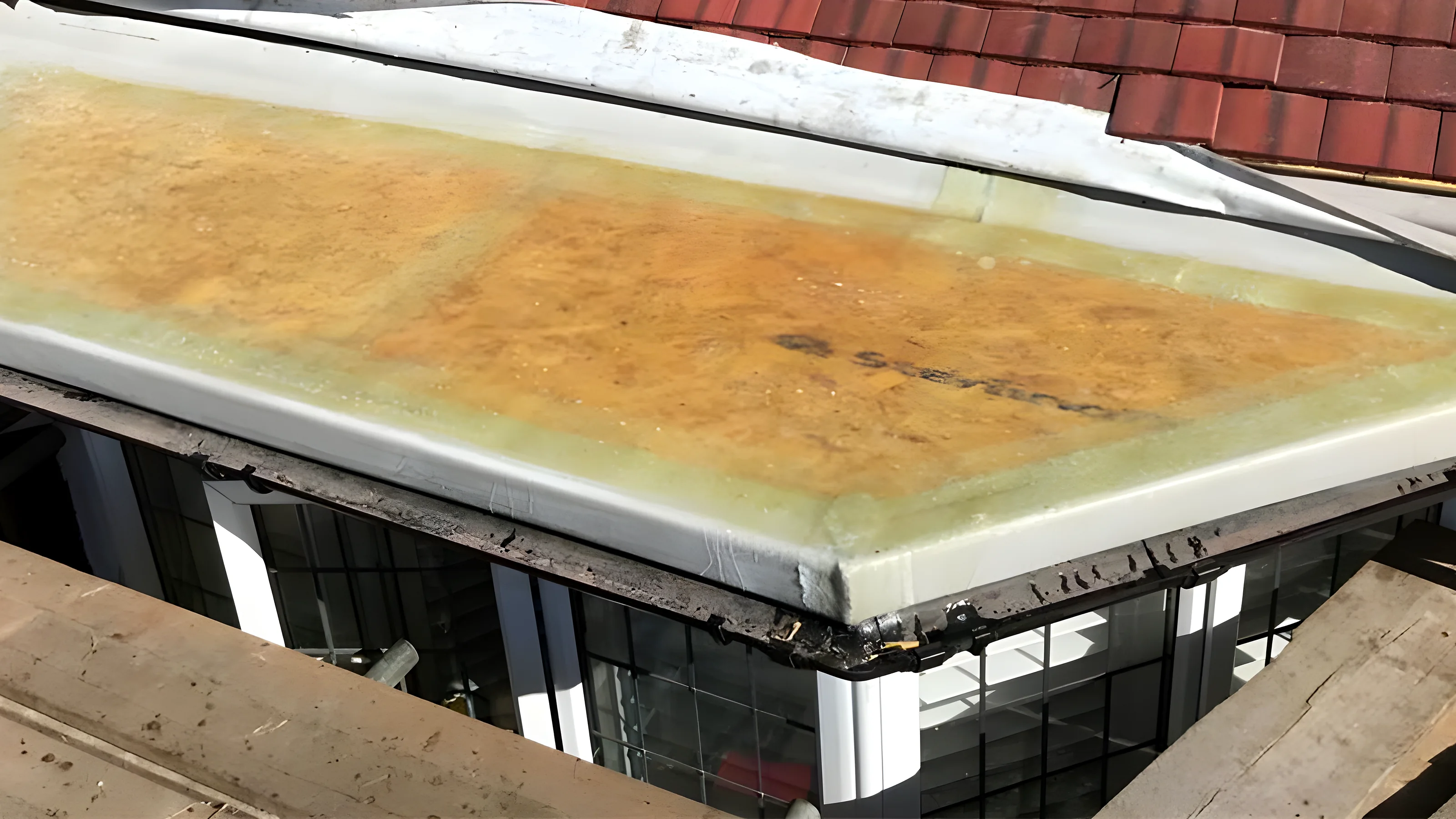
Felt roofing in Leatherhead, Surrey and South West LondonFelt, Laid inThree Layers.
A modern torch on felt roof is three layers of reinforced bitumen membrane bonded to a prepared deck, and it is still the right answer on many garages, sheds, outbuildings and extensions. We lay it, repair it, and tell you when a roof has had enough patches and needs replacing.
Over 25 years on local roofs
Free survey and written quote
24 hour emergency call out
CORC member 8125
What we do
Felt Roofing,Start to Finish.
Vapour layer, underlay and cap sheet, torched and bonded with the laps staggered, on a deck laid to a fall.
Modern Felt Is Not the Felt You Remember
The thin mineral felt nailed to sheds in the seventies is gone. Today’s membranes are polyester reinforced, torched onto the deck so they bond rather than lift, and finished with a mineral cap sheet that stands up to sun and frost.
High performance felt is a reinforced bitumen membrane, laid in layers and bonded with a torch so it becomes one sheet. Laid properly on a sound deck it is a long lived, easily repaired roof, and on the right building it is still the sensible choice.
The membranes we lay are SBS modified bitumen on a polyester carrier, laid to BS 8217, with a mineral finished cap sheet in grey or green. Laid in three layers on a sound deck they are a proper, repairable roof, and on garages, sheds and porches often the sensible choice.
Three Layers, Not One
A vapour control layer, an underlay and a cap sheet, each torched and bonded to the one below with the laps staggered. One layer of felt is a temporary roof. Three, laid to a fall, is a proper one.
The vapour control layer stops moisture from the room below getting into the roof. The underlay gives the roof its strength. The mineral cap sheet takes the weather. Each is torched to the one beneath with the joints staggered, so no seam runs through the whole thickness.
The three layers are laid with the laps staggered and torched so the bitumen flows at each lap, then rolled, with the edges dressed into a drip trim at the gutter and up an upstand at any wall. A typical garage roof takes a day, an extension roof one to two.
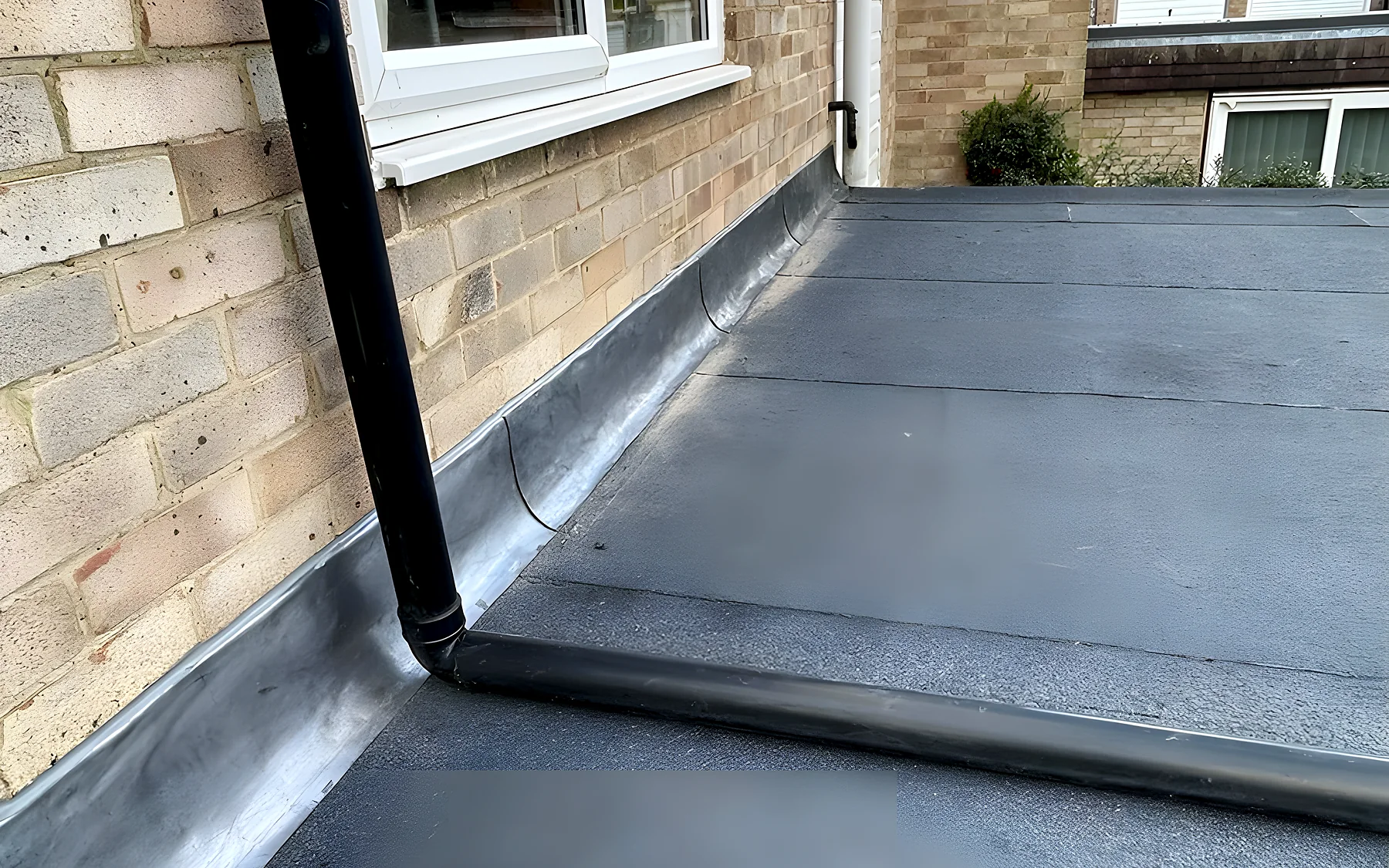
Repairs to a Felt Roof
A split lap, a blister or a puncture on an otherwise sound roof can be cut out and patched with new membrane torched in. We do it where the rest of the roof has life left, and say so when it has not.
A local repair on a felt roof is a proper patch: the damaged area cut out, the deck checked and dried, and new membrane torched in with generous laps. Done on a sound roof it lasts; done over a wet deck it does not, which is why we check first.
A felt repair is cut back to sound membrane, the deck checked and dried, and new cap sheet torched in with laps of at least 100 millimetres. Where the roof has several failures, or the deck is soft, the repair is not worth doing and we say so.
Blisters, Splits and Ponding
Blisters mean water or air is trapped under the membrane. Splits at the laps and edges mean it has moved or aged. Ponding means the deck no longer falls to the outlet. Each tells us how much of the roof is still doing its job.
Blisters mean trapped moisture. Splits along the laps mean the roof has moved or the bond has failed. Ponding means the falls have gone or the outlet is blocked. One of these on an otherwise good roof is a repair. All three together mean the roof is done.
Ponding is the one to watch: water standing more than a day after rain is finding its way into the laps, and by the time it shows inside the deck is often already wet. A survey visit tells you whether the falls can be restored or the roof needs rebuilding.
When to Stop Patching
A felt roof on its third patch is usually cheaper to replace than to keep repairing, and we will tell you plainly when that point has come. Often the answer is a new felt roof; sometimes it is GRP, and we quote for whichever suits the building.
Each patch is a new set of laps to fail, and the deck under an old felt roof is often already damp. When repairs are being made every year, the money is better spent on a new roof, and we will show you the photographs that make the case.
A felt roof that is more than fifteen to twenty years old and on its second or third repair is usually at the point where a new roof costs less over five years than continuing to patch. We show you the photographs and the itemised price and you decide.
Felt, GRP or EPDM
Felt is quick to lay, easy to repair and suits garages, sheds and outbuildings. GRP is seamless and suits extensions and dormers. EPDM suits large simple roofs. We fit all three and recommend by roof, not by habit.
We are not tied to one system. The recommendation comes from the size of the roof, how much detail it has, whether it will be walked on, whether it is seen from above and what it is over.
The quote sets out the system we recommend for your roof and, where two would work, both prices, so you can choose between them with the facts in front of you rather than on our say so.
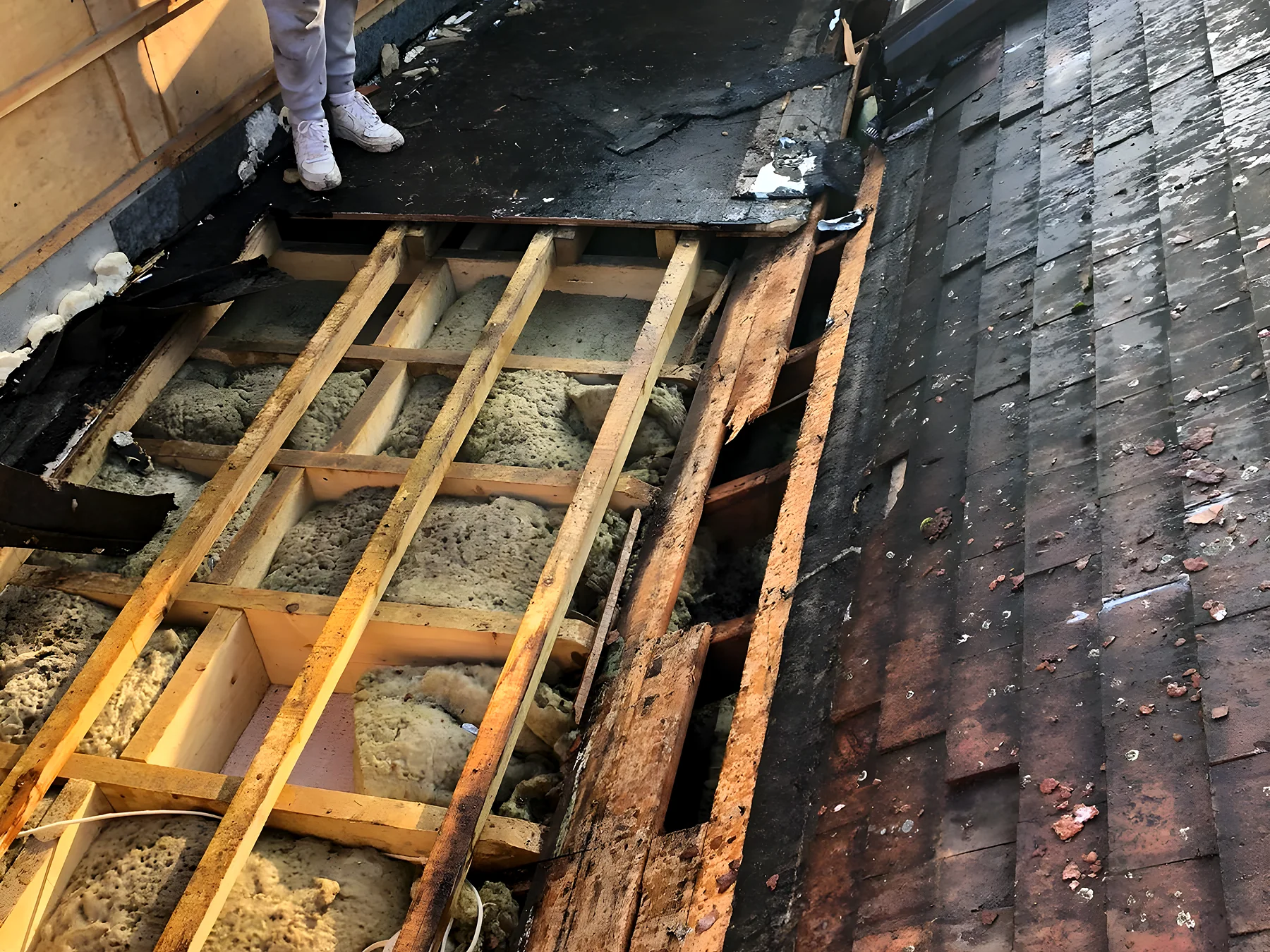
Sounds like your roof?
The Signs We AreUsually Called For.
- A felt roof with blisters or bubbles
- Cracks along the laps or at the edges
- Water ponding after rain
- Moss and debris held on the surface
- A shed or garage roof leaking at the joints
- Felt lifting at the verge or the upstand
How it works
Felt Roofing:How It Works.
What happens between getting in touch and the finished job.
- 01
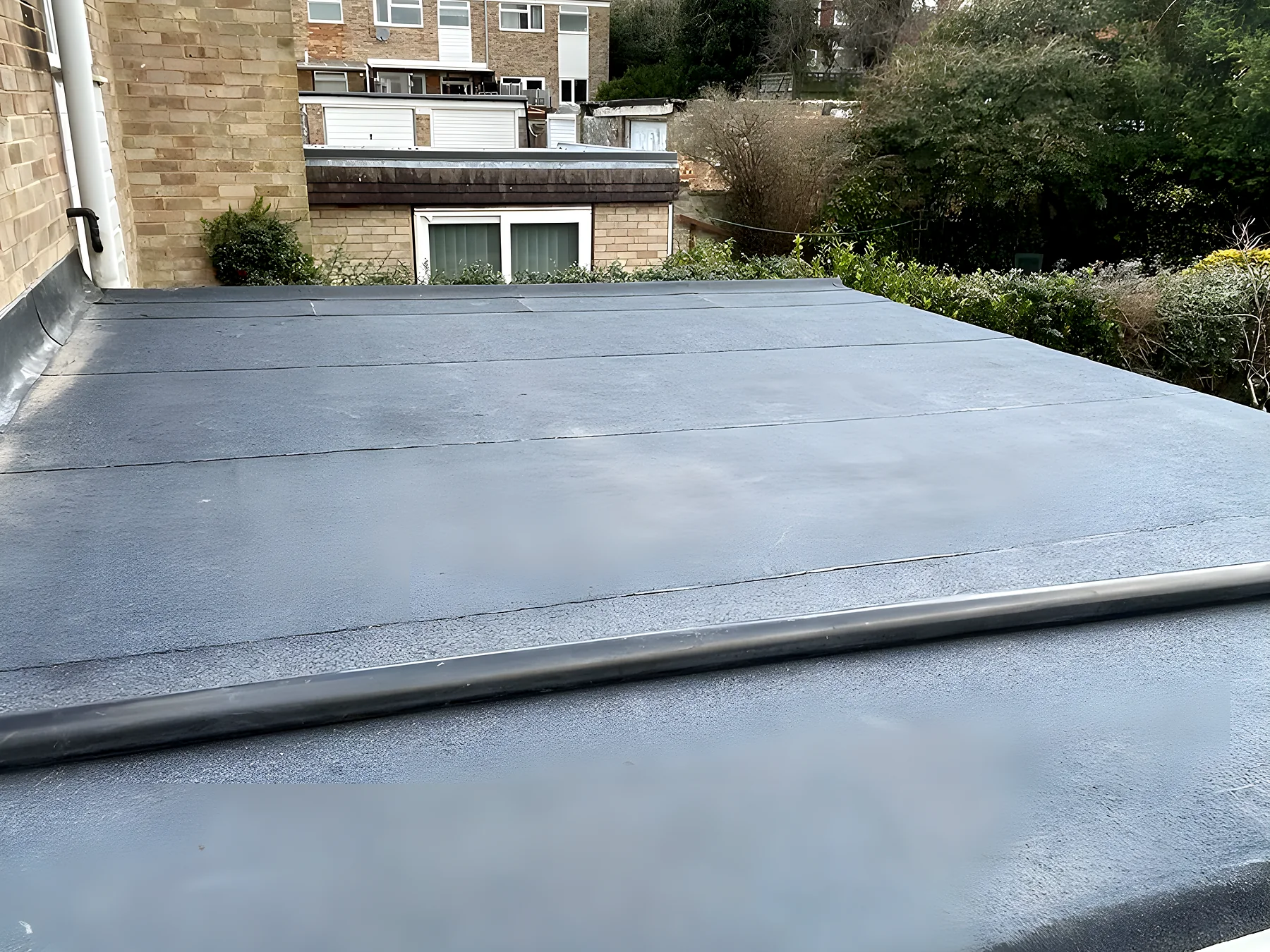
Get in Touch
Call or send a photograph of the roof and of any blisters, splits or standing water.
- 02
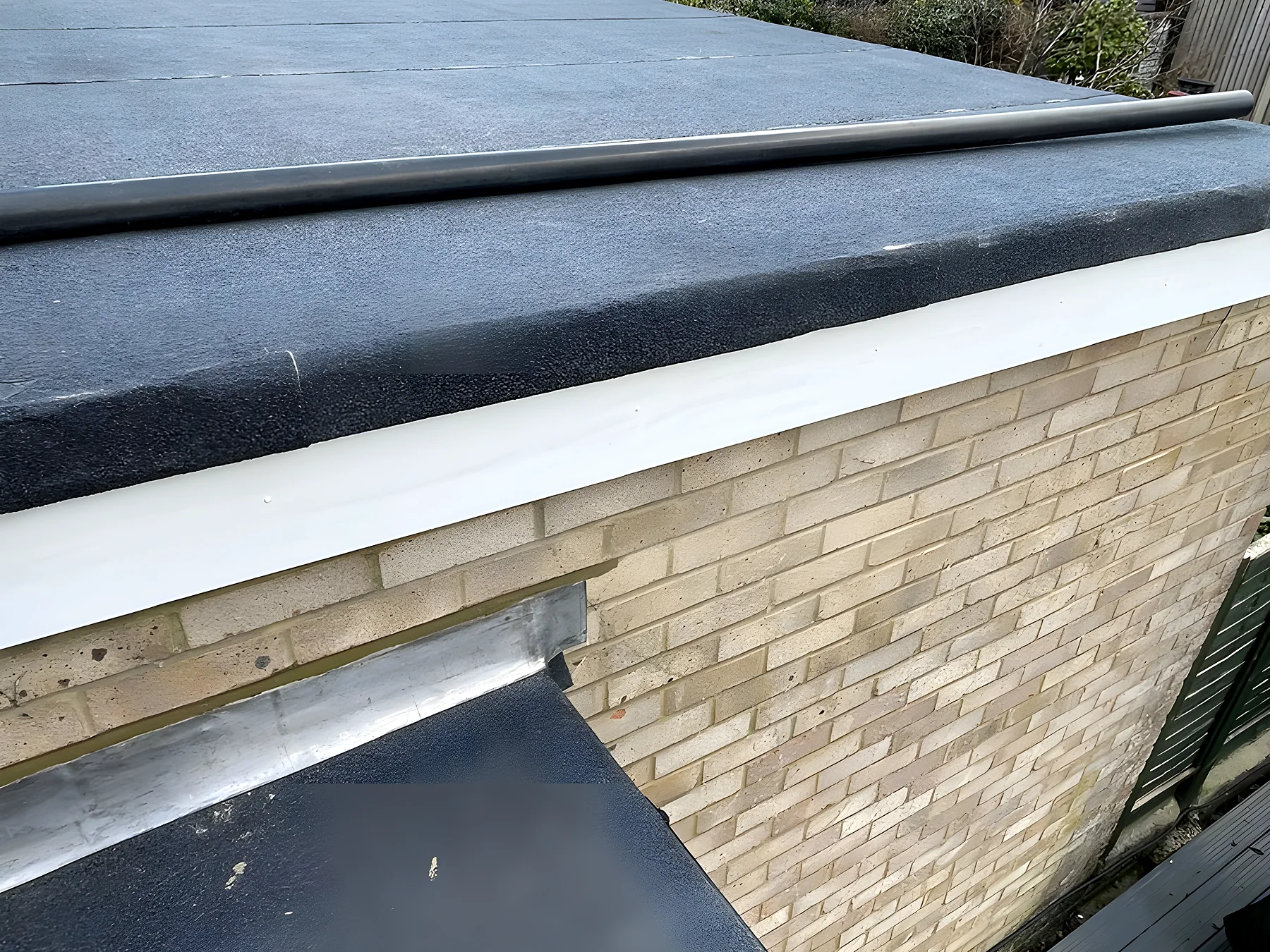
Survey and a Written Price
We check the deck and the existing layers, and quote for a repair or a new three layer felt roof, itemised.
- 03
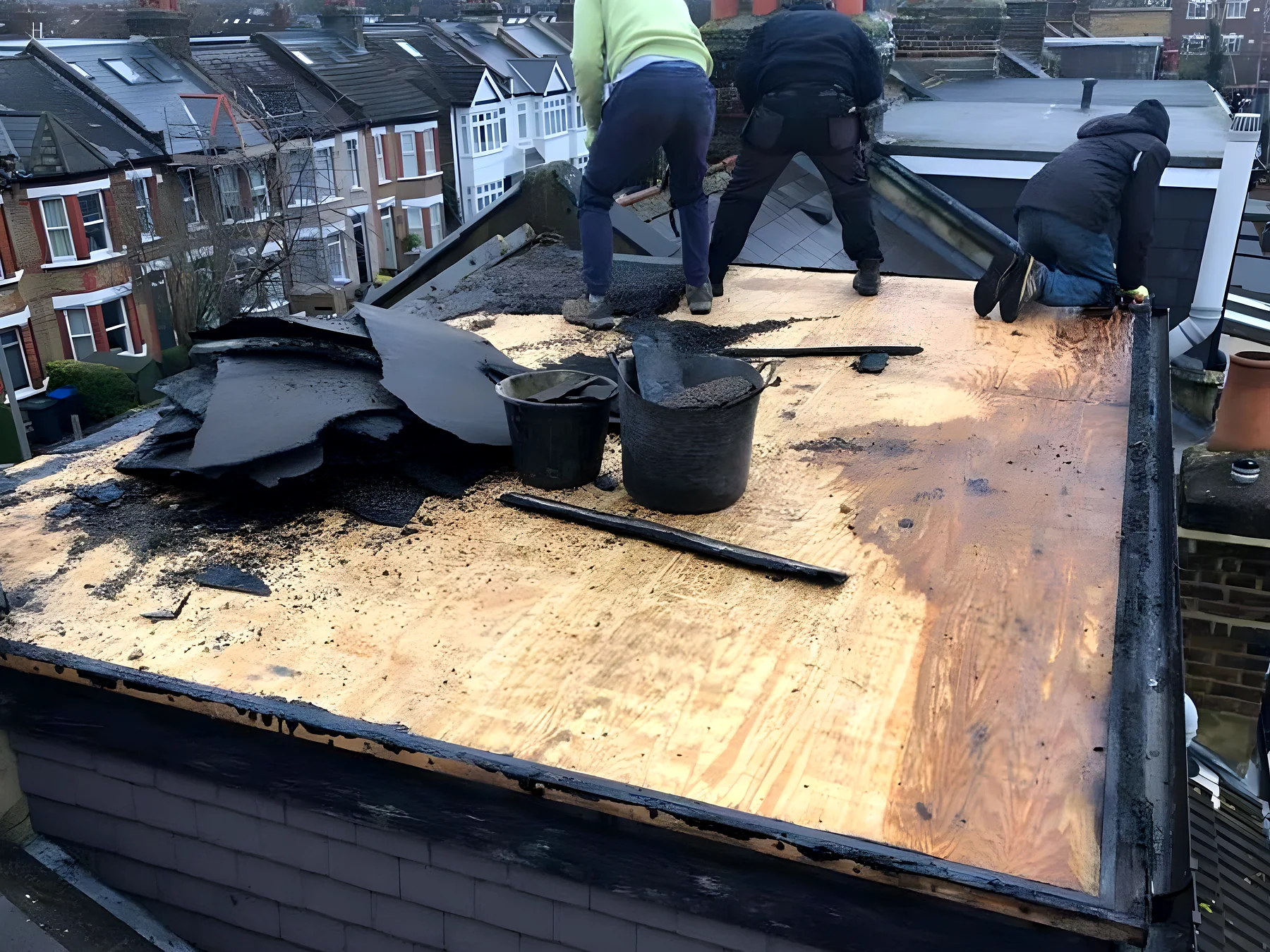
Prepare the Deck, Torch the Layers
The deck prepared or replaced, then the vapour layer, underlay and cap sheet torched and bonded with the laps staggered.
- 04
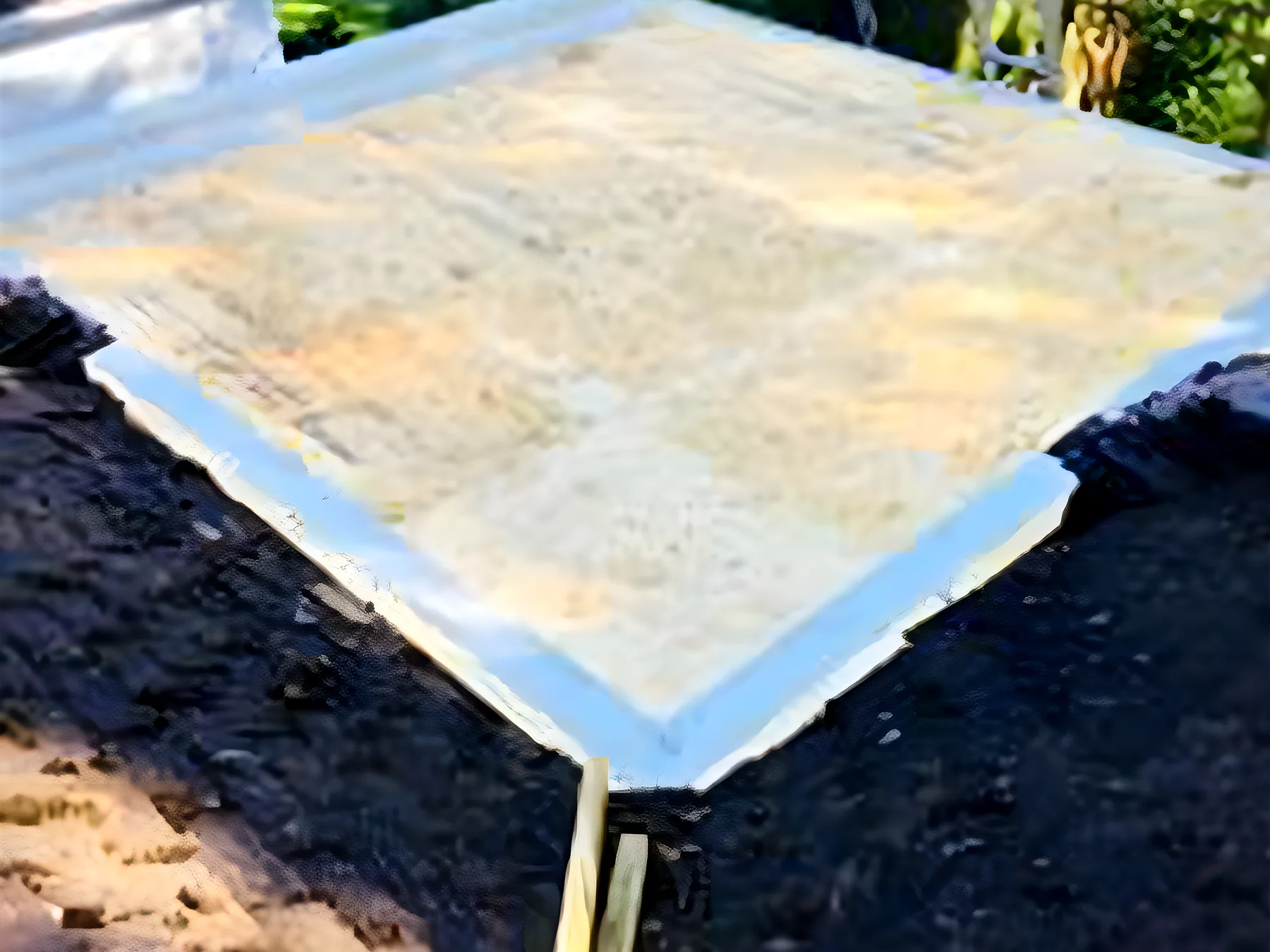
Edges, Outlets and Photographs
The edges and outlets detailed, the roof laid to fall, and photographs before and after.
Get in touch
01 / 04
Felt roofing questions
The QuestionsPeople Ask First.
Anything not covered here, call 01372 540 258 and ask. You will get a roofer, not a call centre.
How long does a felt roof last?
A three layer torch on roof, laid to a fall on a sound deck, fifteen to twenty years is a fair expectation. A single layer, or one laid flat so it ponds, much less.
Can a felt roof be repaired?
Yes, where the rest of the roof is sound. A split, a blister or a puncture can be cut out and a new piece torched in. A roof that is failing everywhere at once needs replacing.
Can you lay new felt over the old?
Only where the old felt is dry, flat and bonded, which is rare. Usually the old covering comes off so the deck can be checked and the new roof laid to a proper fall.
Is felt suitable for a house extension?
It can be. For most extensions we recommend GRP because it is seamless and lasts longer, but a well laid three layer felt roof is a sound, economical choice and we quote for both.
Free survey and quote
Call Us, or Senda Photograph.
A picture from the ground is usually enough for us to tell you what we are looking at. The survey and the written quote are free, and there is no obligation on either.
- London
- 0203 507 1501
- Leatherhead
- 01372 540 258
- Reigate
- 01737 749202
- Mobile, 24 hours
- 07513 397 799