
Roof surveys and maintenance in Leatherhead, Surrey and South West LondonA Roof Looked atBefore It Leaks.
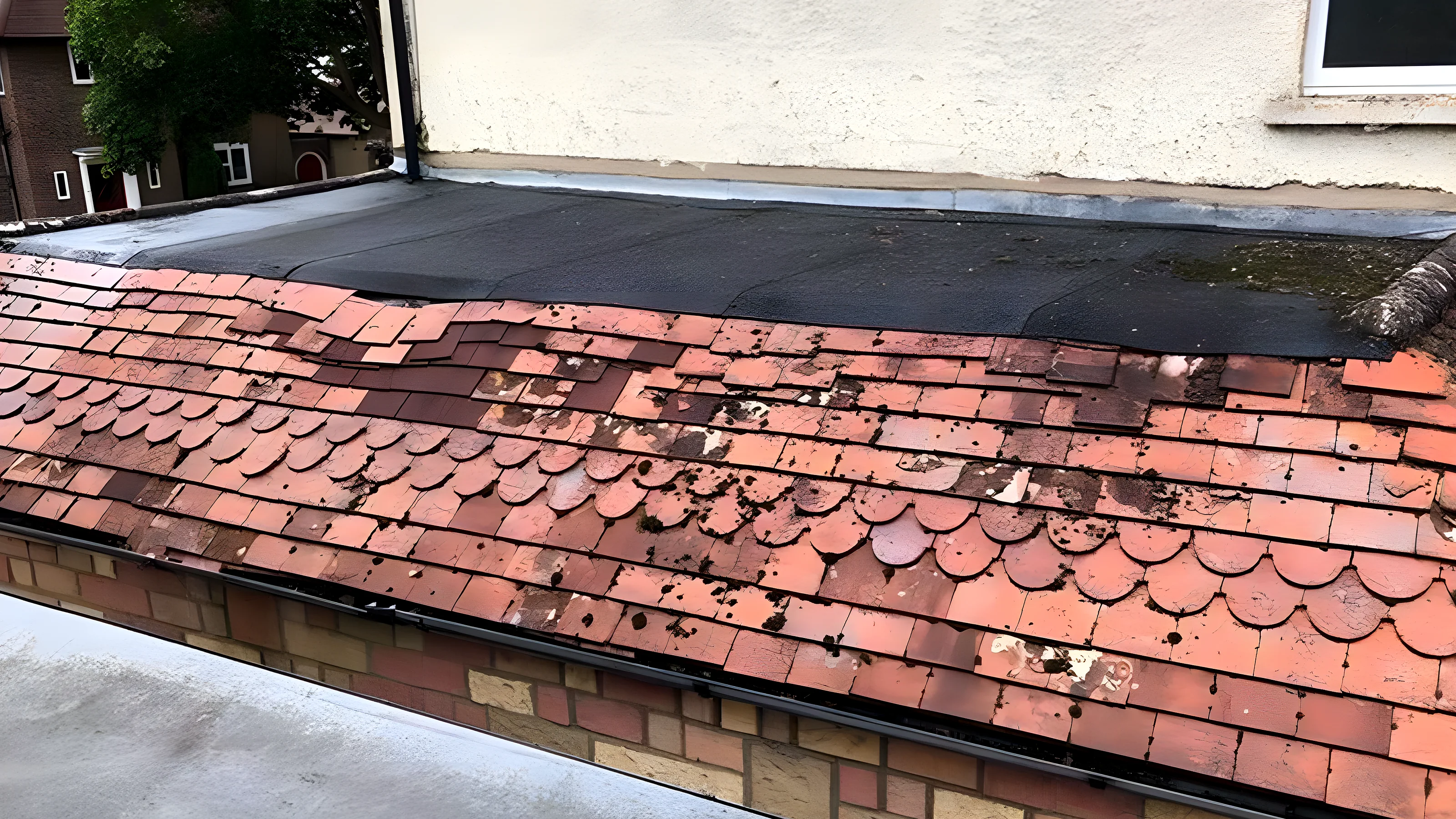
Most roof failures give months of notice: a slipped tile, a blocked valley, moss holding water against the felt. A survey finds them while they are still small jobs. We inspect, photograph what we find, clear the gutters, remove the moss, and tell you plainly what needs doing and what does not.
Over 25 years on local roofs
Free survey and written quote
24 hour emergency call out
CORC member 8125
What we do
Roof Surveys and Maintenance,Start to Finish.
The roof inspected from above and from the loft, the small repairs done on the visit, and a clear note of how long it has left.
What a Roof Survey Covers
The covering, the ridge, hips and verges, every lead detail, the valleys and gutters, the chimney and the roofline. Inside, the felt, the battens and the timbers where there is a loft to get into. Photographs of anything that matters, and a written note of what we would do about it.
We survey from the roof, not from the pavement with binoculars. Every slope, every detail and, where there is access, the loft. The report says what we found, what it means, what we would do about it and in what order, with photographs of each point so you can see it for yourself.
The survey is done from the roof with the ladder or tower in place, not from the ground with a camera pole, and it covers the covering, the fixings, the underlay where visible, the lead, the ridges and verges, the chimney, the gutters and the roofline, with each finding photographed and rated by urgency.
Buying or Selling a House
A general survey looks at the roof from the ground. We go up. A buyer who knows the roof has ten years left, or needs a valley next spring, is negotiating with facts rather than a surveyor’s caveat. Sellers use the same report to answer the question before it is asked.
A homebuyer report will note that the roof was inspected from ground level and recommend a specialist. We are the specialist. A survey before exchange tells you what the roof will cost over the next ten years, and it is the kind of detail that changes a negotiation.
A pre purchase roof survey is usually booked between the survey and exchange, takes an hour or so on site, and the written report with photographs follows within two working days so it can go to your solicitor or be used to renegotiate.
Gutter Clearing
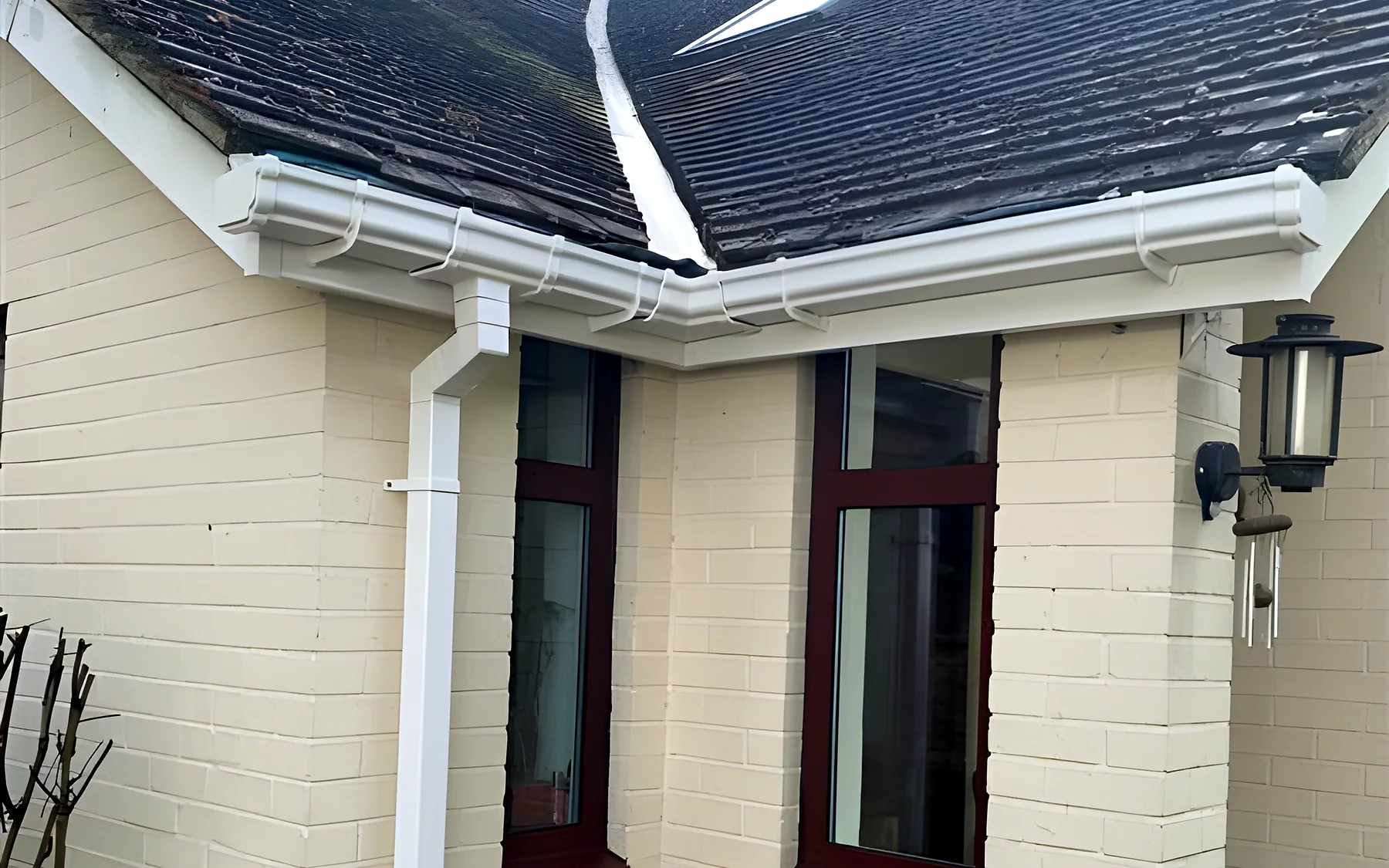
Gutters full of moss and leaves overflow at the first heavy rain, and the water goes down the wall into the brickwork. We clear them, check the falls and the joints, and fit leaf guards where trees make it a yearly job.
Gutters want clearing once a year, and twice where there are trees. We clear the runs and the outlets, flush the downpipes, check the falls and the brackets, and tell you if any of it is past repair.
Gutters on a house with trees nearby want clearing in late autumn once the leaves are down, and again in spring where moss comes off the roof; a house in the open needs it once a year. Blocked gutters are the commonest cause of damp on an external wall.
Moss Removal and Treatment
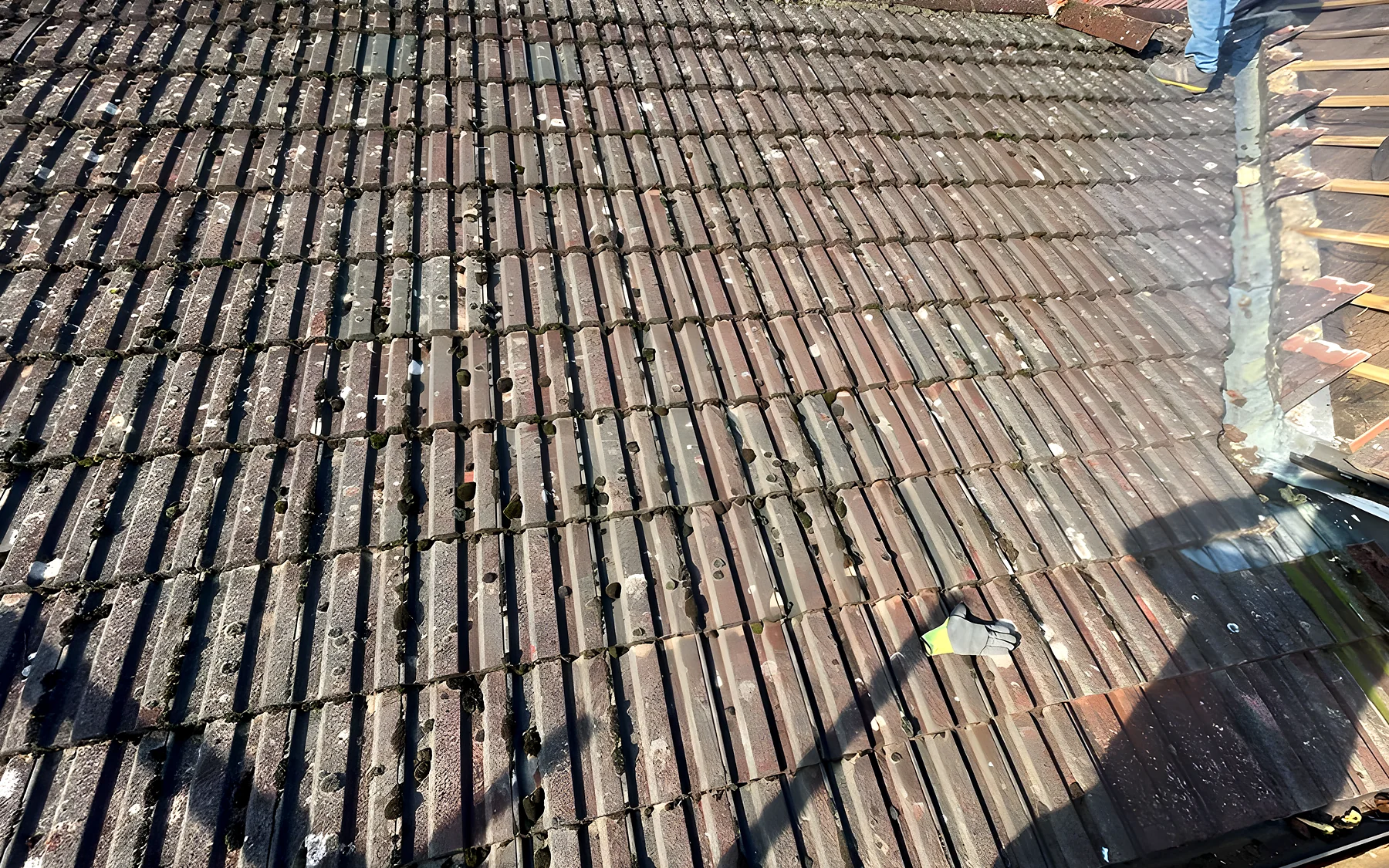
Moss holds water against the tiles, lifts them in a frost and drops into the gutters. We remove it by hand rather than with a pressure washer, which drives water under the covering and strips the surface off concrete tiles, then treat the slope so it is slower to come back.
Moss grows on the north facing and shaded slopes and on concrete tiles more than clay. We scrape and brush it off by hand from the roof, clear what falls into the gutters, and apply a treatment that slows it coming back. We do not pressure wash roofs, and we will explain why if you have been offered it.
Moss is removed by hand from the roof with the debris cleared from the gutters, and the slopes are treated with a biocide that slows regrowth for two or three years. Pressure washing strips the surface off concrete tiles and forces water under the covering, so we do not do it.
The Small Repairs While We Are Up There
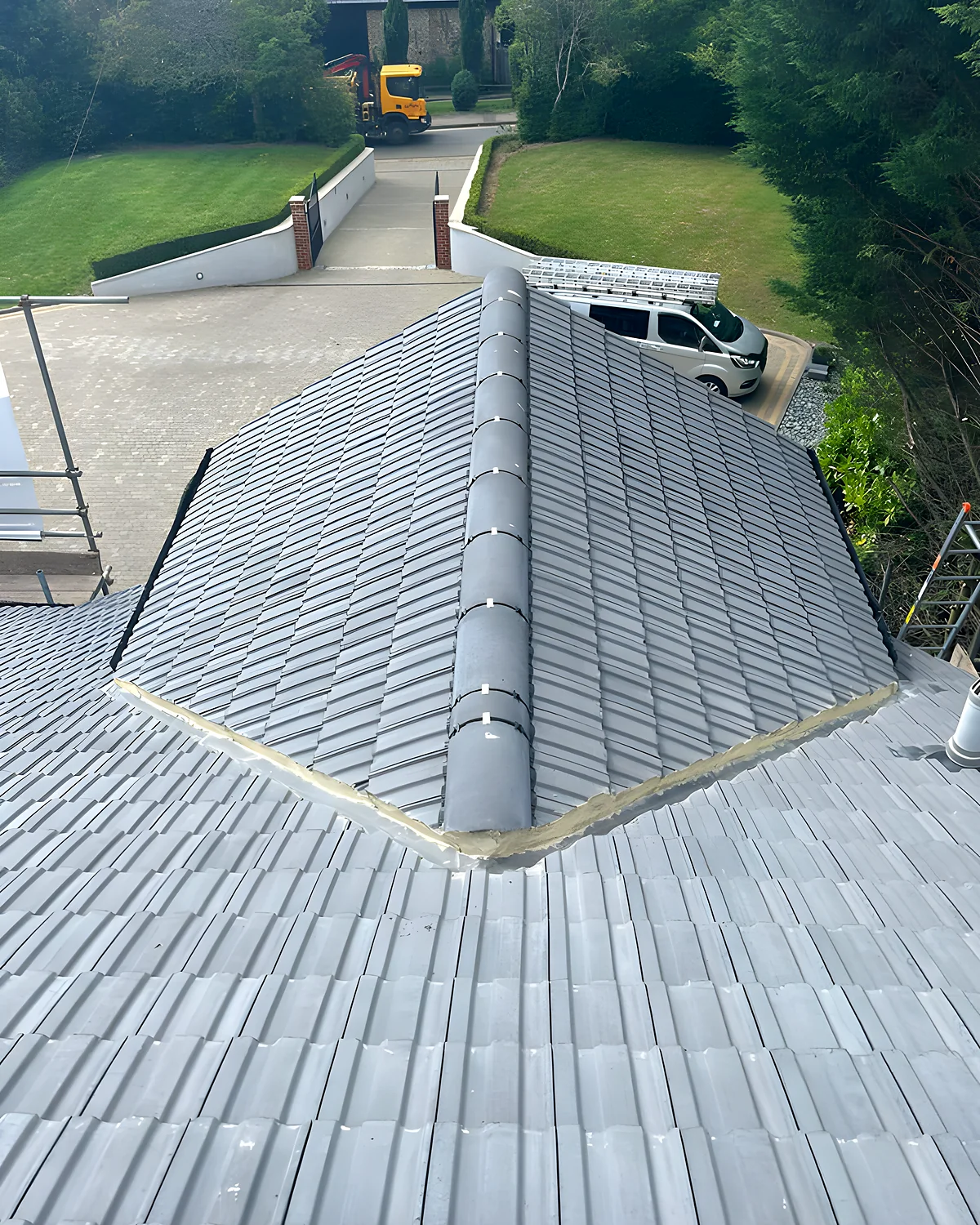
A cracked tile, a slipped slate, a length of ridge that needs pointing, a loose gutter bracket. If it is small we do it on the visit and it goes on the same itemised bill. If it is bigger we photograph it, price it, and let you decide.
Most of what a survey finds is small and cheapest done there and then: a cracked tile, a slipped slate, a loose bracket, a length of ridge that wants pointing. Anything larger is photographed and priced separately so you can decide.
Small repairs on a survey visit are priced at the time and done with your agreement, and they go on the same itemised invoice with the photographs. Anything that needs scaffold or materials we do not carry is quoted separately.
A Written Report With Photographs
You get the pictures, what they show, what we recommend and in what order. There is no obligation to act on any of it, and a clear note of how long the roof has left.
The report is yours to keep, to give to a buyer or an insurer, or to file until the next inspection. It sets out the condition of the roof, what needs doing now, what can wait, and when we would look again.
The report is plain English, two or three pages with the photographs, and it is accepted by solicitors, insurers and managing agents as a specialist roof inspection. There is no obligation to have any of the work done by us.
Sounds like your roof?
The Signs We AreUsually Called For.
- The roof has not been looked at in years
- Moss along the north facing slope
- Gutters overflowing in heavy rain
- You are buying or selling the house
- A few tiles look out of line from the ground
- Damp in the loft with no obvious leak
- The roof is more than thirty years old
How it works
Roof Surveys and Maintenance:How It Works.
What happens between getting in touch and the finished job.
- 01
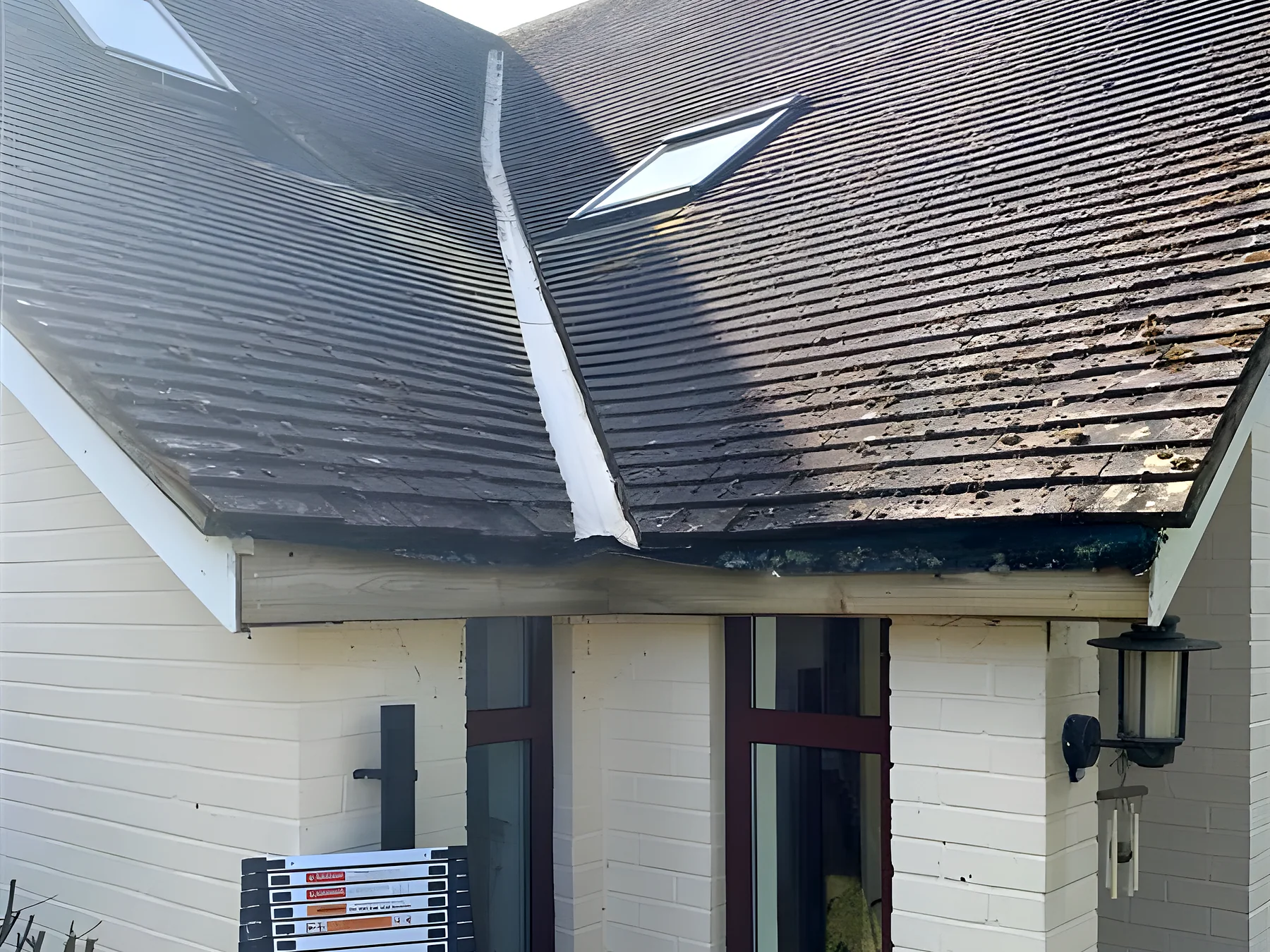
Book a Visit
Call or use the form. Tell us whether it is a general check, a pre purchase survey, gutter clearing or moss removal.
- 02
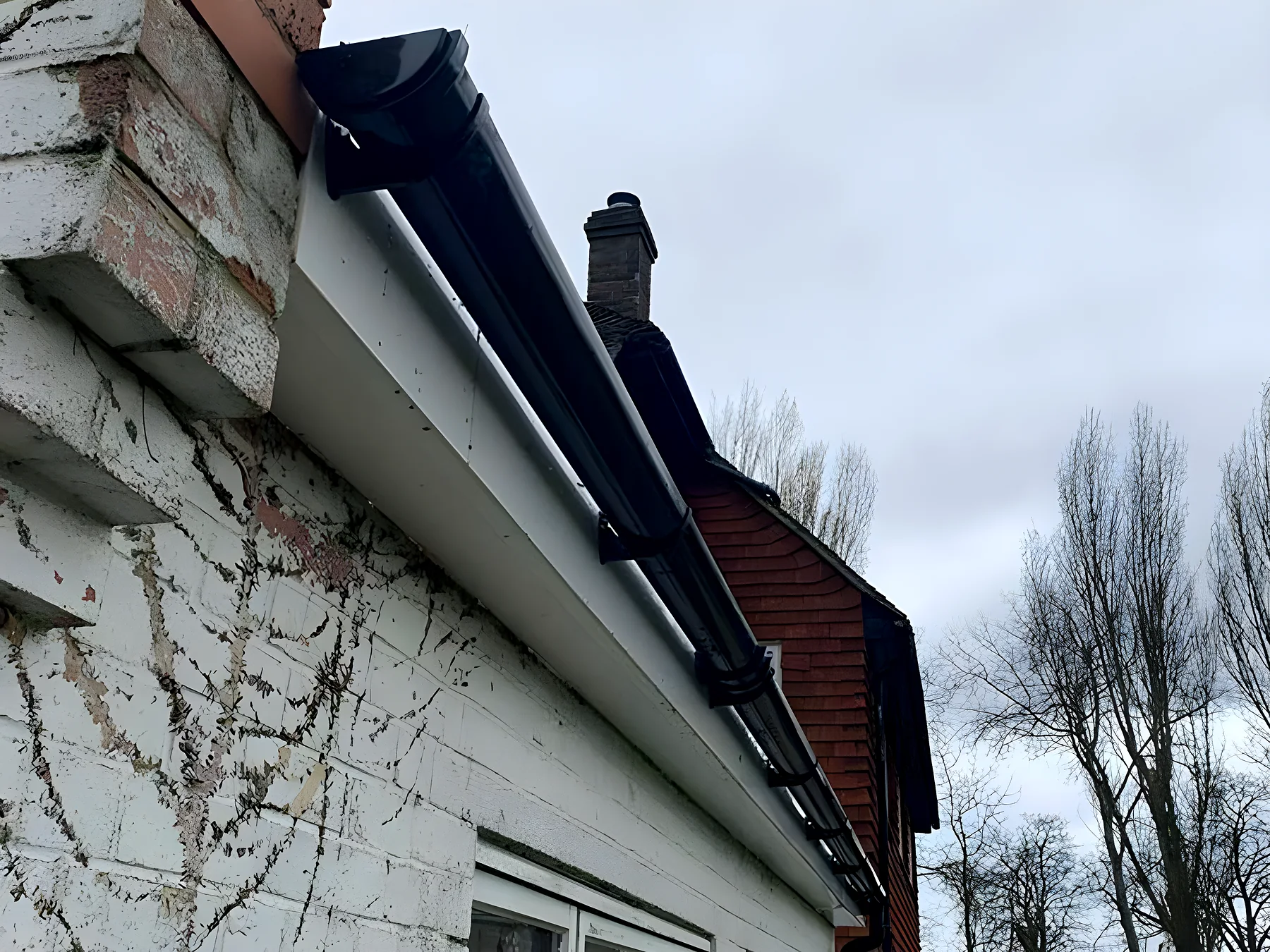
Inspection and Photographs
We inspect the roof from the roof and the loft, and photograph every detail that matters.
- 03
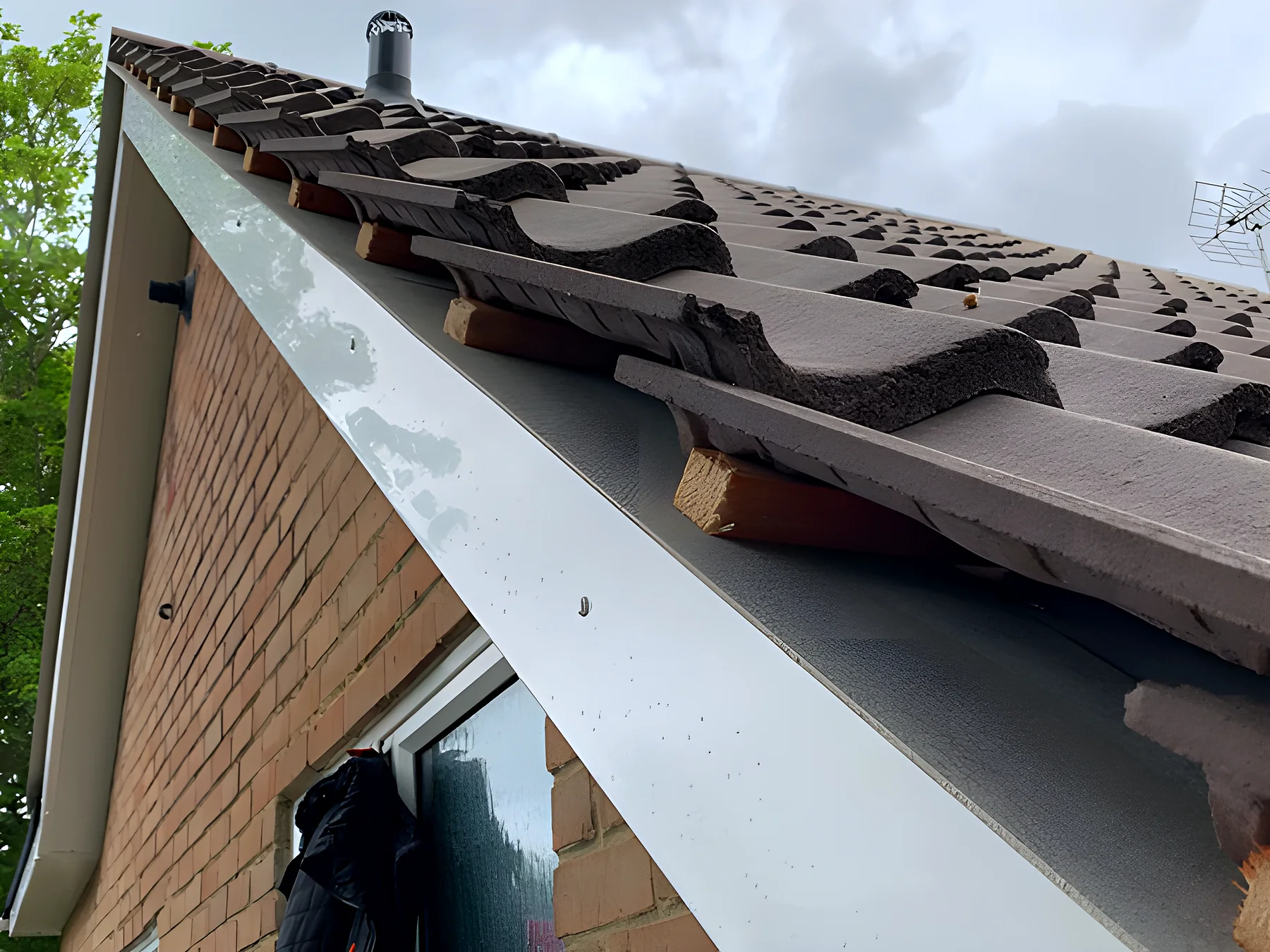
The Report and a Written Price
A written report of what we found, what we recommend and in what order, with a price for any work.
- 04
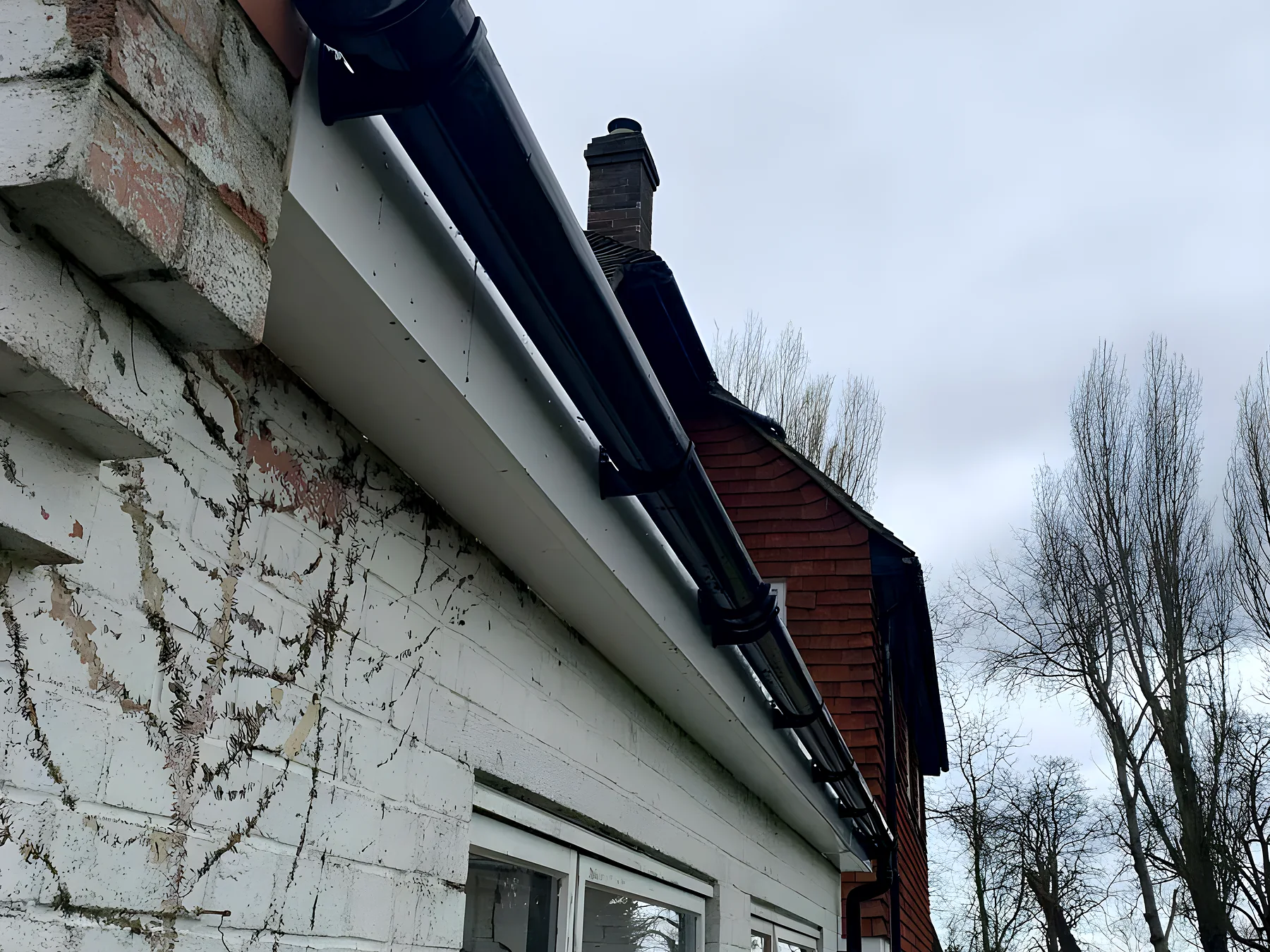
Maintenance, Then a Date to Check Again
The small maintenance done on the visit, and a note of when the roof should next be looked at.
Book a visit
01 / 04
Roof surveys and maintenance questions
The QuestionsPeople Ask First.
Anything not covered here, call 01372 540 258 and ask. You will get a roofer, not a call centre.
Is a roof survey free?
When you have a problem, yes: the survey and the quote that follows it are free. For a house purchase report or a planned maintenance visit, ask and we will tell you plainly what is involved before you book.
How often should a roof be checked?
Every couple of years for most roofs, once a year where there are trees, and after any big storm. Gutters need clearing every autumn where leaves reach them.
Does moss actually damage a roof?
Yes. It holds water against the tiles, lifts them when it freezes, blocks the gutters and valleys and keeps the covering wet. Removing it by hand and treating the slope is a small job that saves a large one.
Do you clear gutters as a job on its own?
Yes. Gutter clearing, a check of the falls and joints and any small repair to the run is a common visit on its own.
Will the survey tell me how long the roof has left?
Honestly, yes. A roof can look fine from the ground and be on its last felt, or look tired and have twenty years in it. The report says which, with the photographs to show why.
Free survey and quote
Call Us, or Senda Photograph.
A picture from the ground is usually enough for us to tell you what we are looking at. The survey and the written quote are free, and there is no obligation on either.
- London
- 0203 507 1501
- Leatherhead
- 01372 540 258
- Reigate
- 01737 749202
- Mobile, 24 hours
- 07513 397 799