
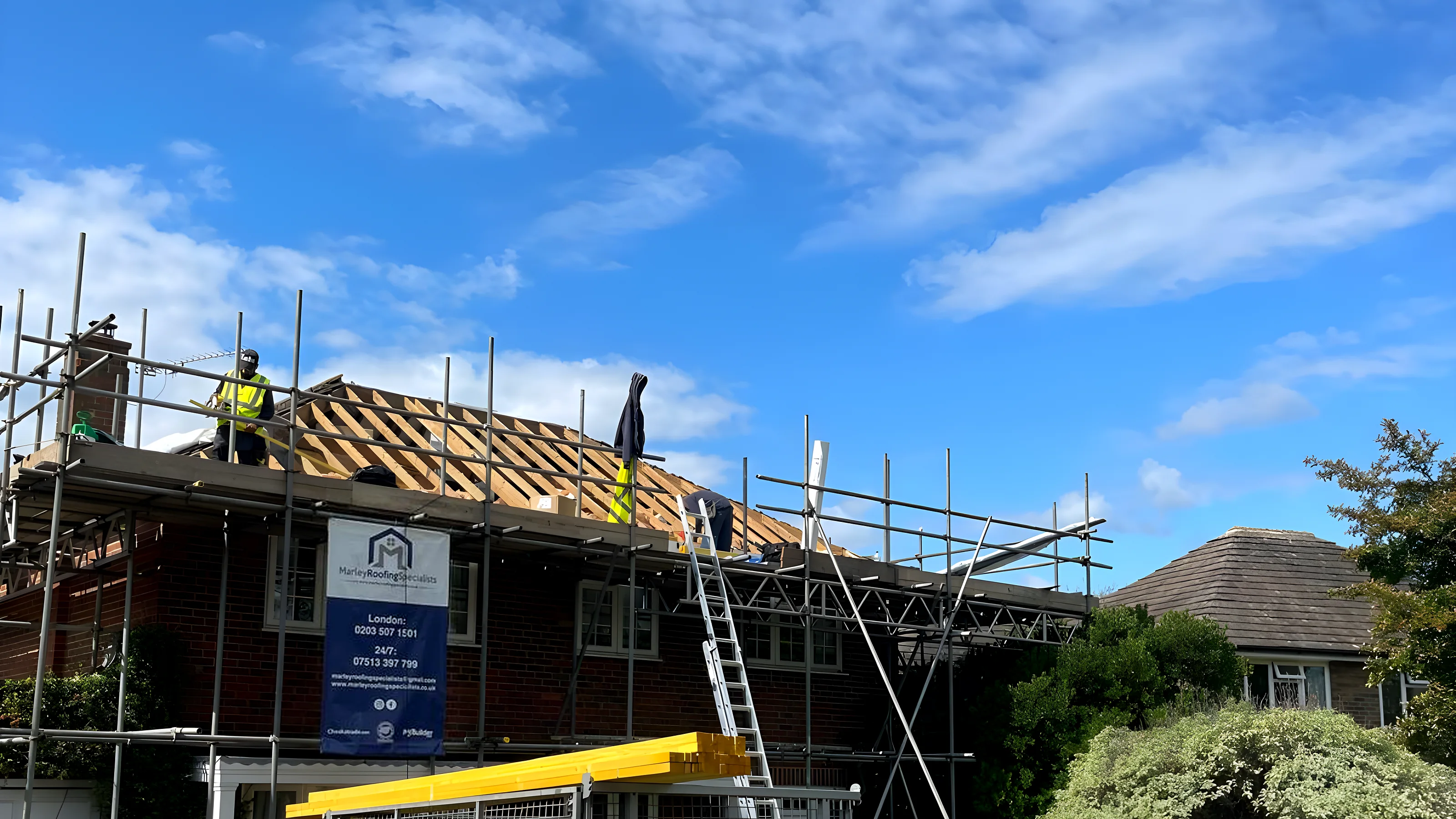
Emergency roof repairs in Leatherhead, Surrey and South West LondonA Roof That Cannot WaitUntil Monday.
Water coming through a ceiling at ten at night does not care what day it is. Call the mobile, any hour, and you get a person. We make the roof safe and watertight first and sort the permanent repair once it is dry.
Over 25 years on local roofs
Free survey and written quote
24 hour emergency call out
CORC member 8125
What we do
Emergency Roof Repairs,Start to Finish.
A live leak at night is made safe the same night. The permanent repair follows when it is dry, at one written price.
What Counts as an Emergency
Water actively coming in. Ridge or hip tiles down. A hole in the roof after a storm, a tree branch, or a chimney pot coming through. A flat roof that has split open. If it is getting worse by the hour, it is an emergency and you should call.
A slow drip that has been there since spring is a repair, and it can wait for a survey in daylight. A ceiling that is bowing, a chimney pot that has come down, a tarpaulin that has blown off or a flat roof filling with water is an emergency, because every hour makes it worse and more expensive.
If you are not sure, call anyway. We would rather tell you it can wait until the morning than have you find the ceiling on the floor.
Before we arrive, move anything valuable from under the leak, put a container under the drip, and if a ceiling is bulging with water pierce it with a screwdriver to let the water out in a controlled way rather than have the plaster come down. Do not go on the roof, and do not put a ladder up in the wind.
Making It Safe First
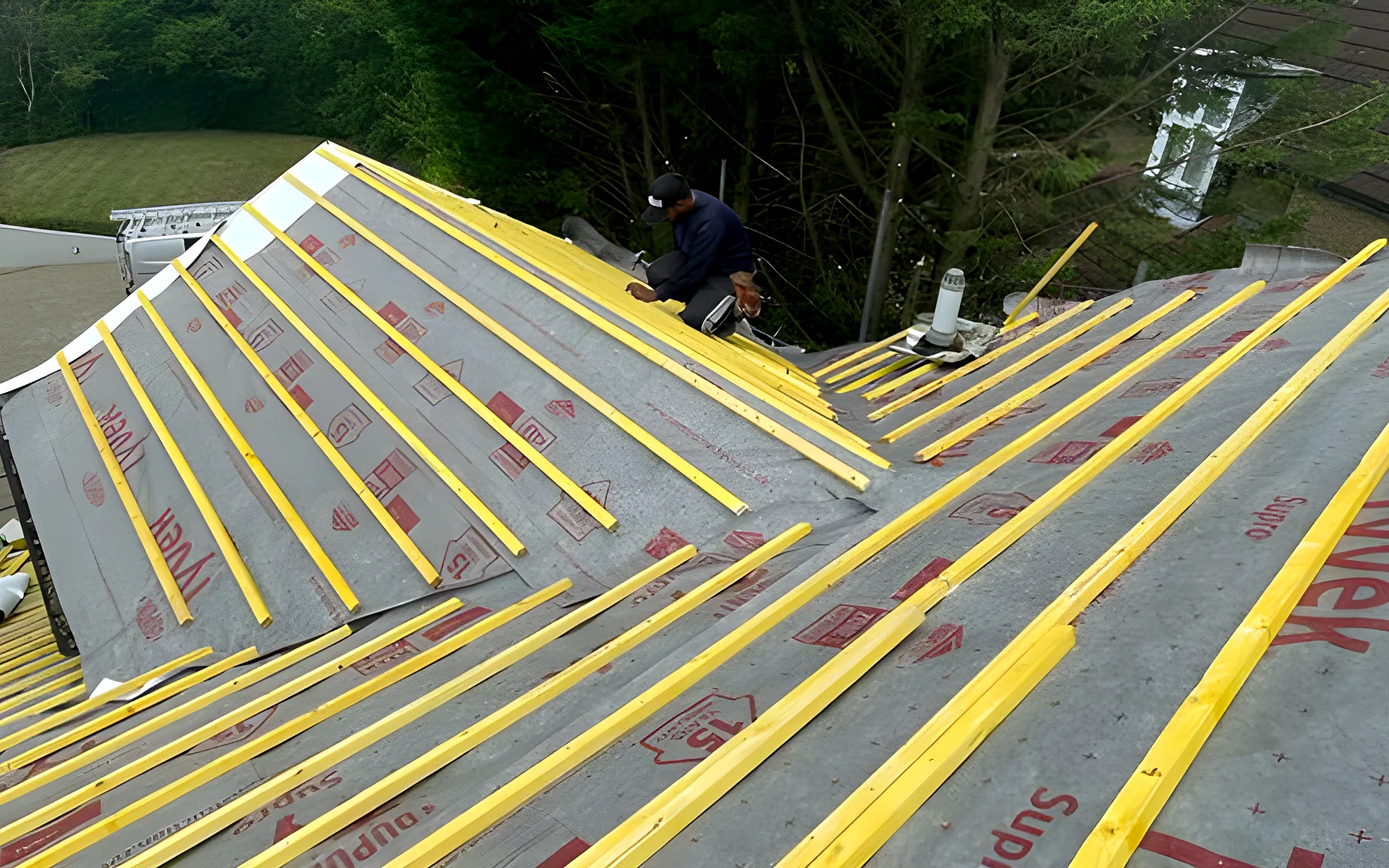
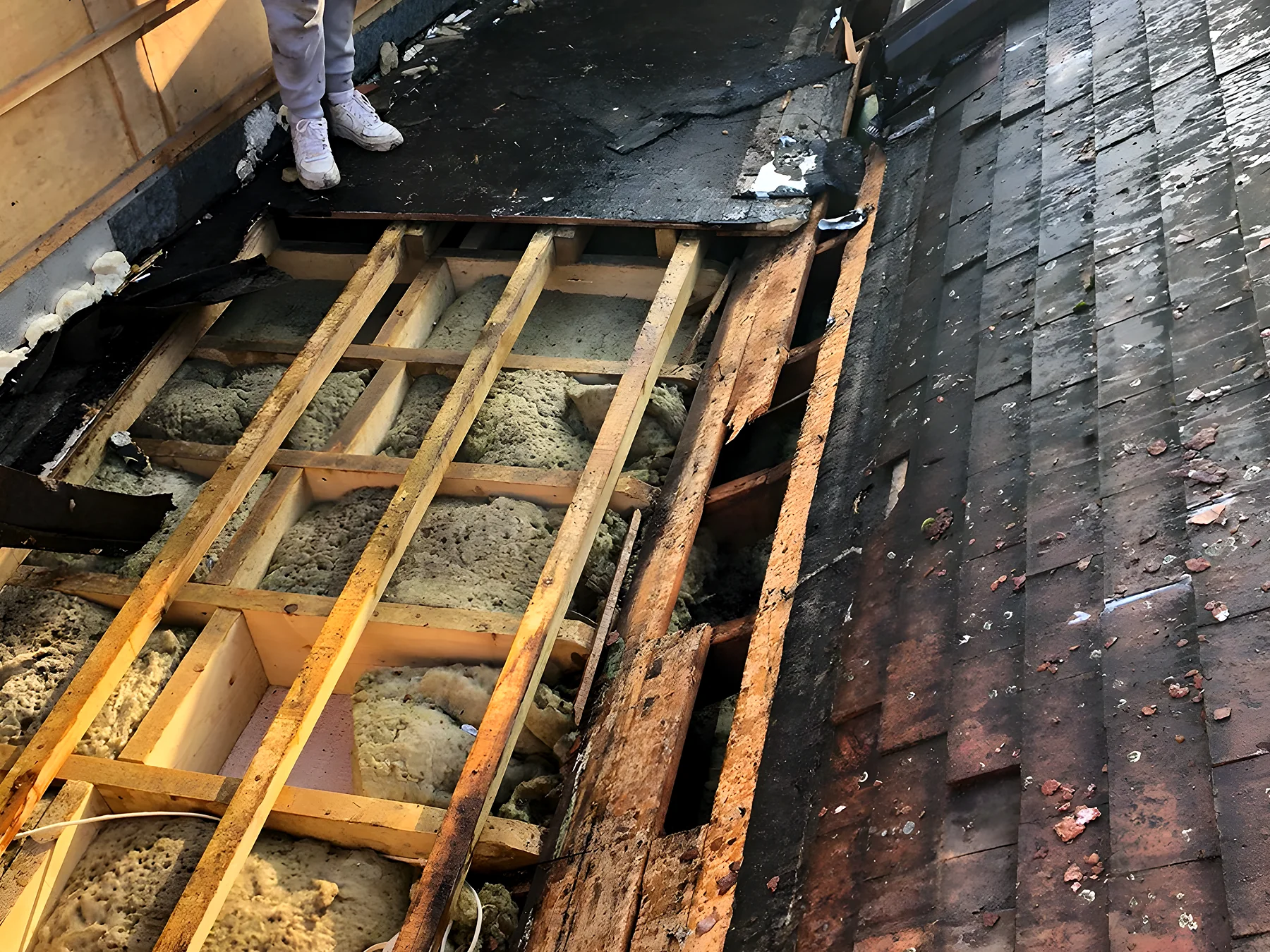
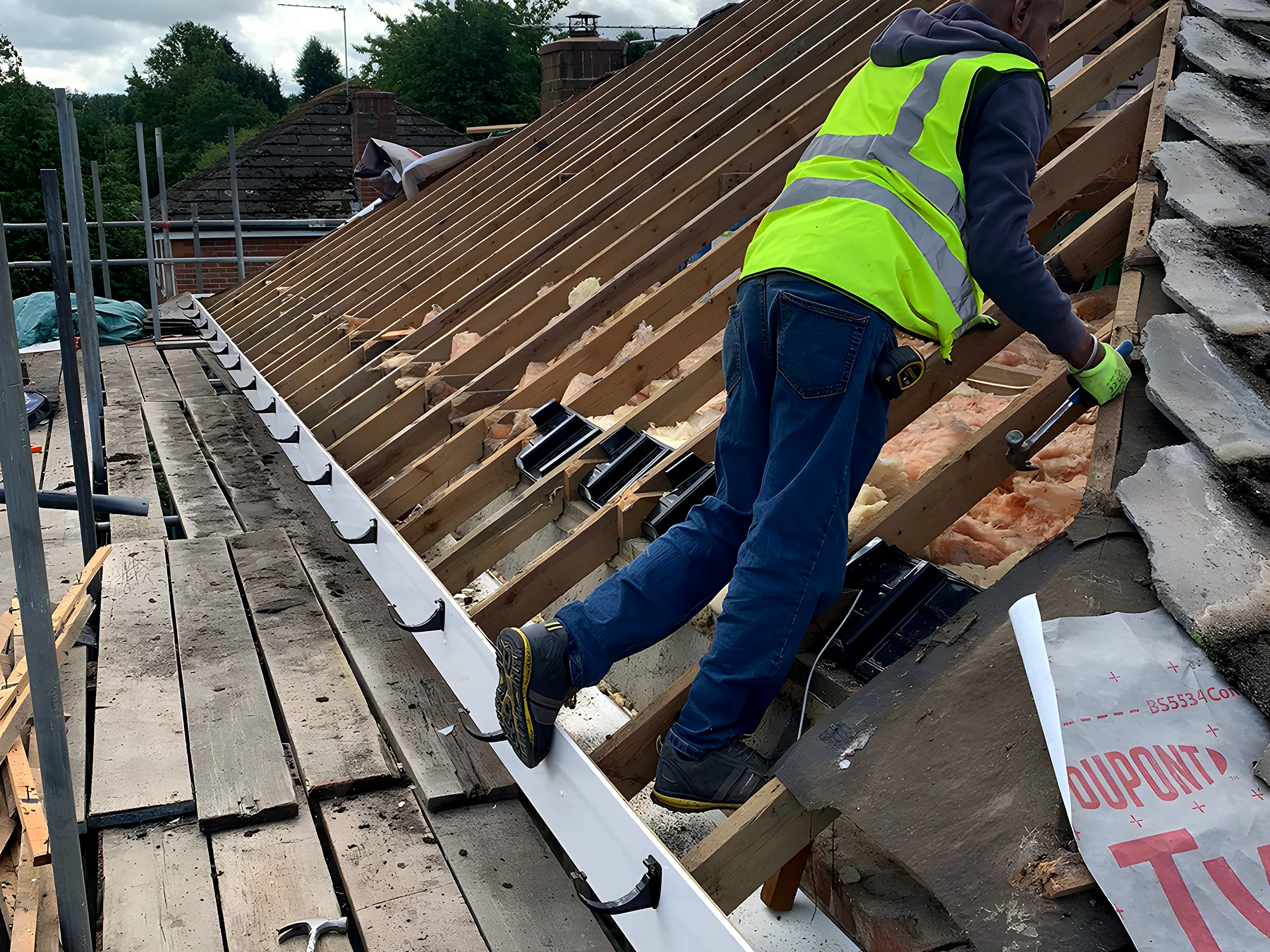
The first visit is about stopping the damage. That might mean a temporary cover over a hole, re fixing what can be re fixed straight away, clearing a blocked outlet that is flooding a flat roof, or making a dangerous chimney safe. We do not do the permanent repair in the rain, because a repair done wet fails.
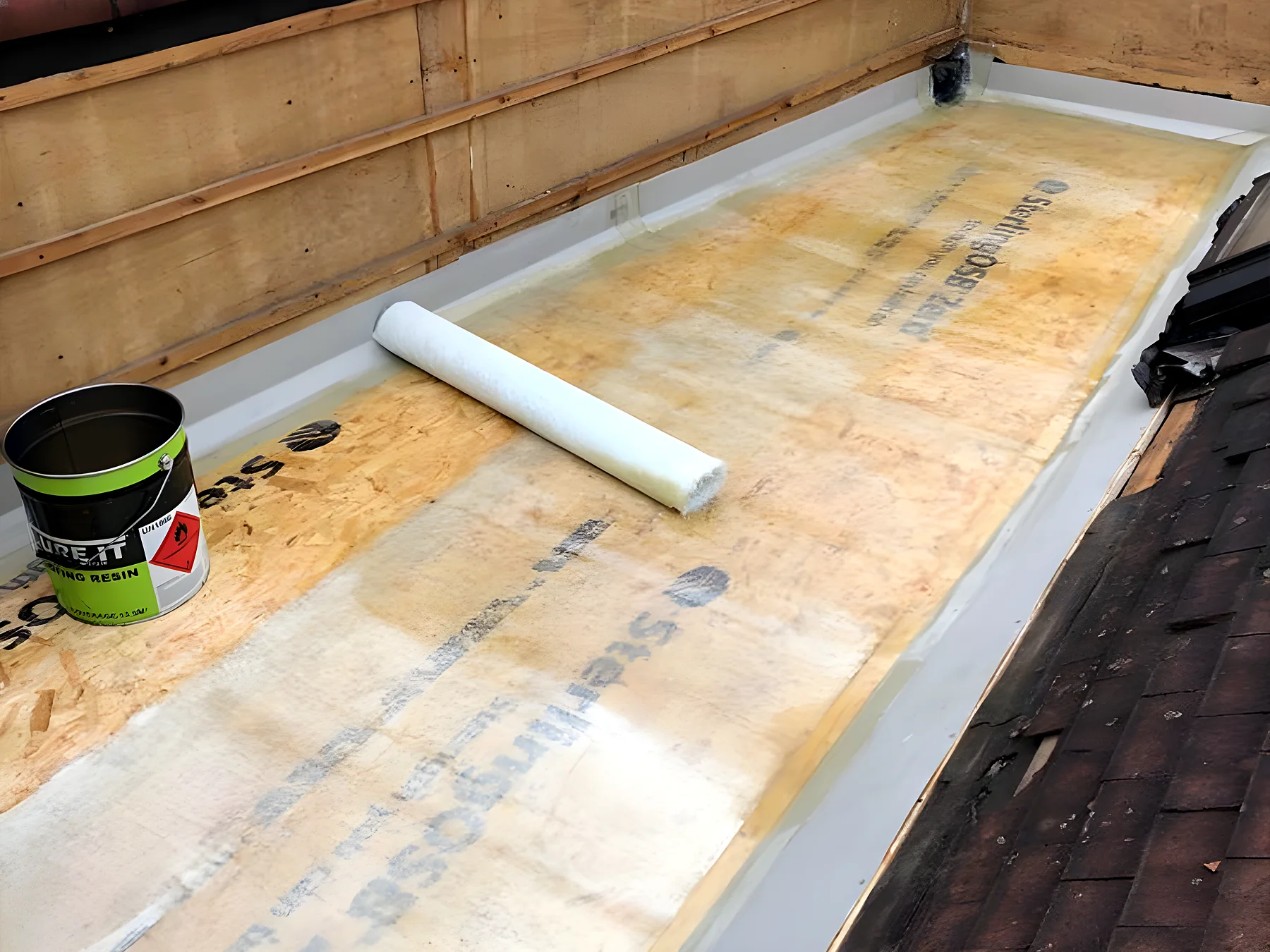
We carry the materials for a temporary repair on the van: tarpaulins, battens, sheeting and fixings for a pitched roof, and patching for felt and GRP. On the first visit the aim is a roof that keeps the next shower out and cannot hurt anyone below it.
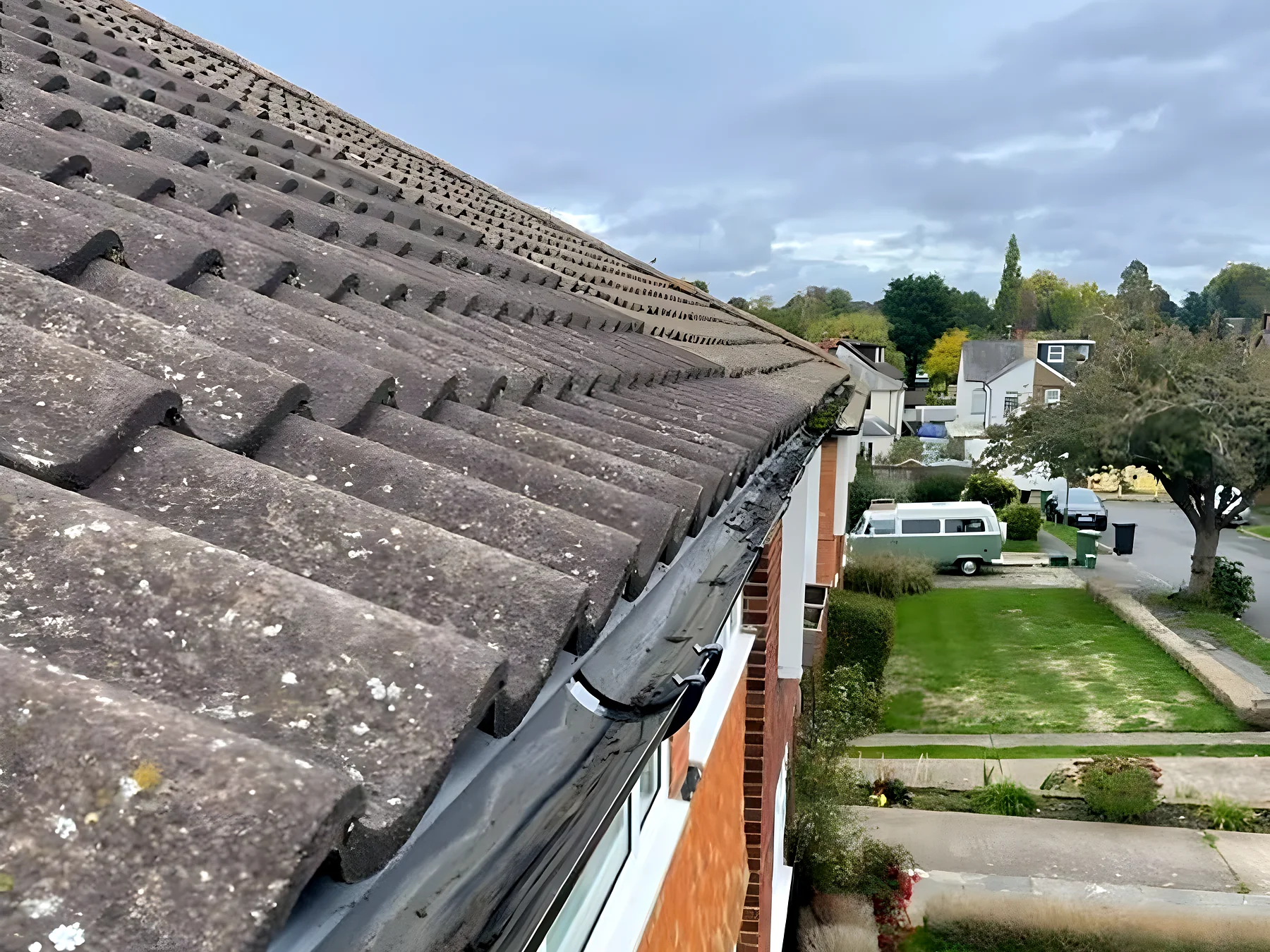
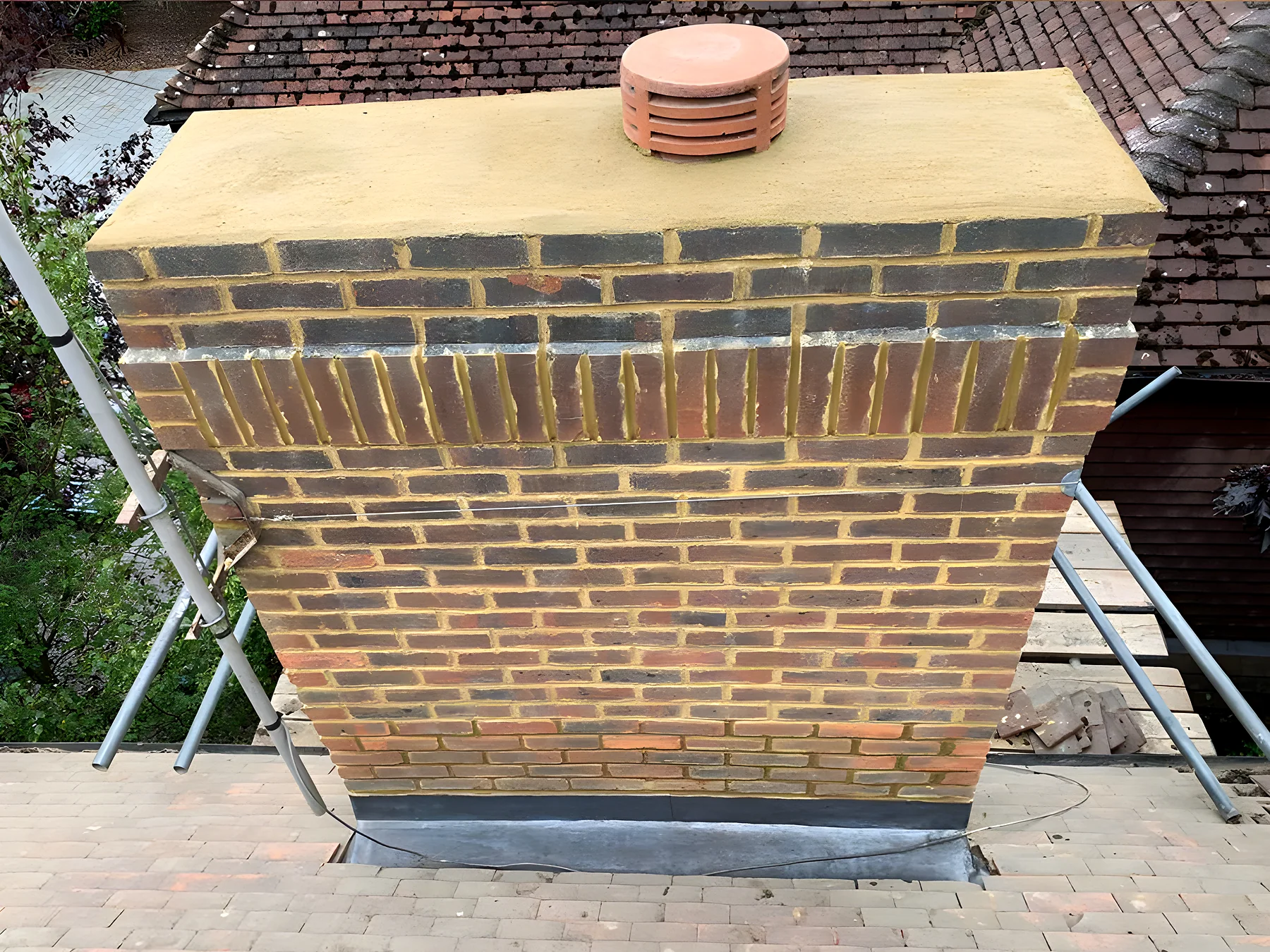
Loose tiles, slates and lengths of ridge come down rather than being left to fall. A blocked outlet on a flat roof is cleared so the water can leave. A stack that has cracked is made safe or taken down to below the roofline if it has to be.
The temporary cover is a proper job in itself: a heavy tarpaulin battened down over the ridge and the eaves so it cannot lift, not a sheet weighted with tiles. Done well it keeps a roof dry for weeks if the permanent repair has to wait for the weather or an insurer.
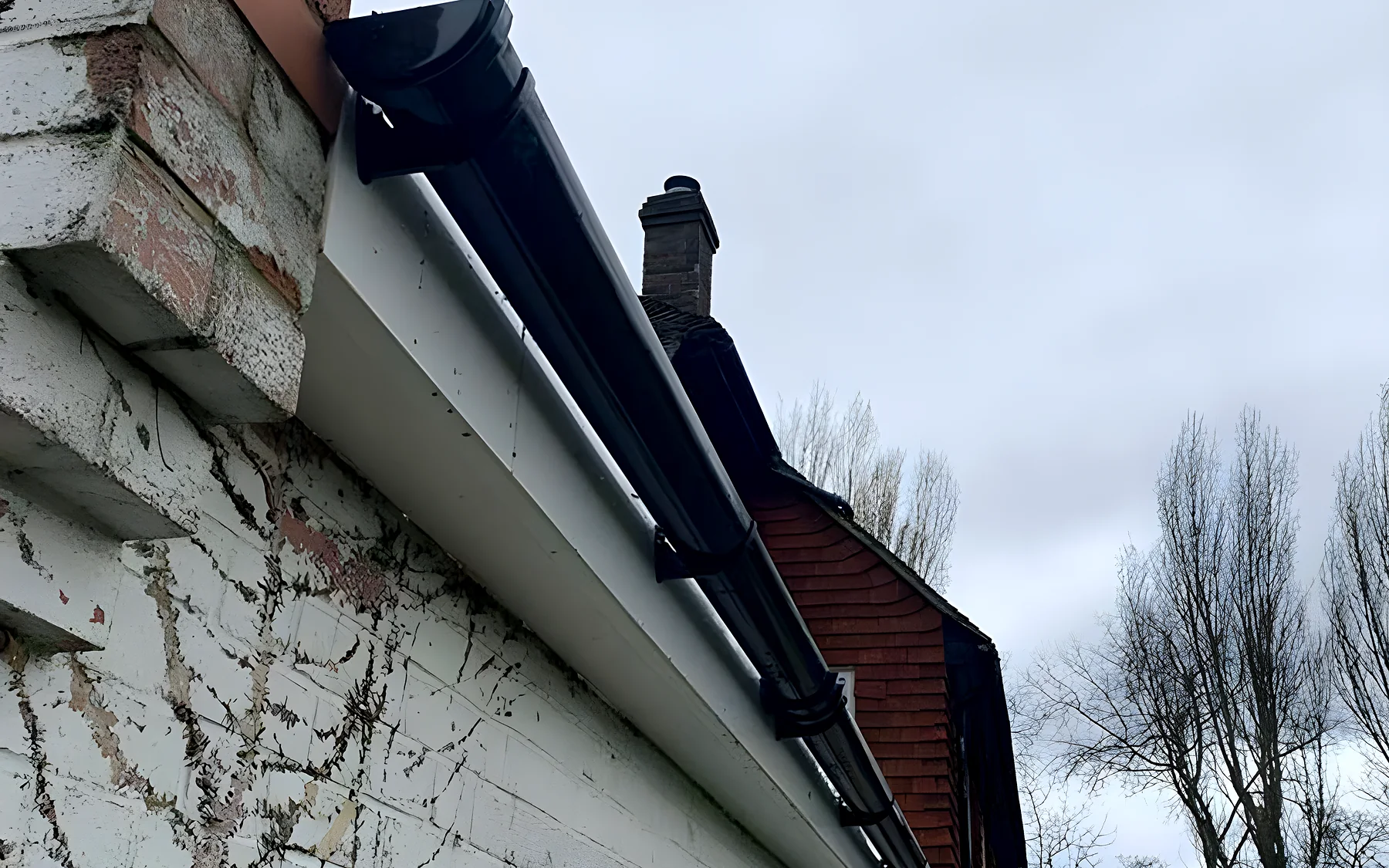
Then the Proper Repair
Once it is dry we come back, survey it properly, and give you one written price for the permanent work. Sometimes the emergency fix turns out to be the fix. Often the storm has just exposed something that was already on its way.
The survey happens once the roof is dry and safe to work on. We photograph what the weather exposed, price the permanent repair as one itemised written quote, and tell you whether the rest of the roof is sound or whether the storm has simply found the weakest point of a roof that is on its way.
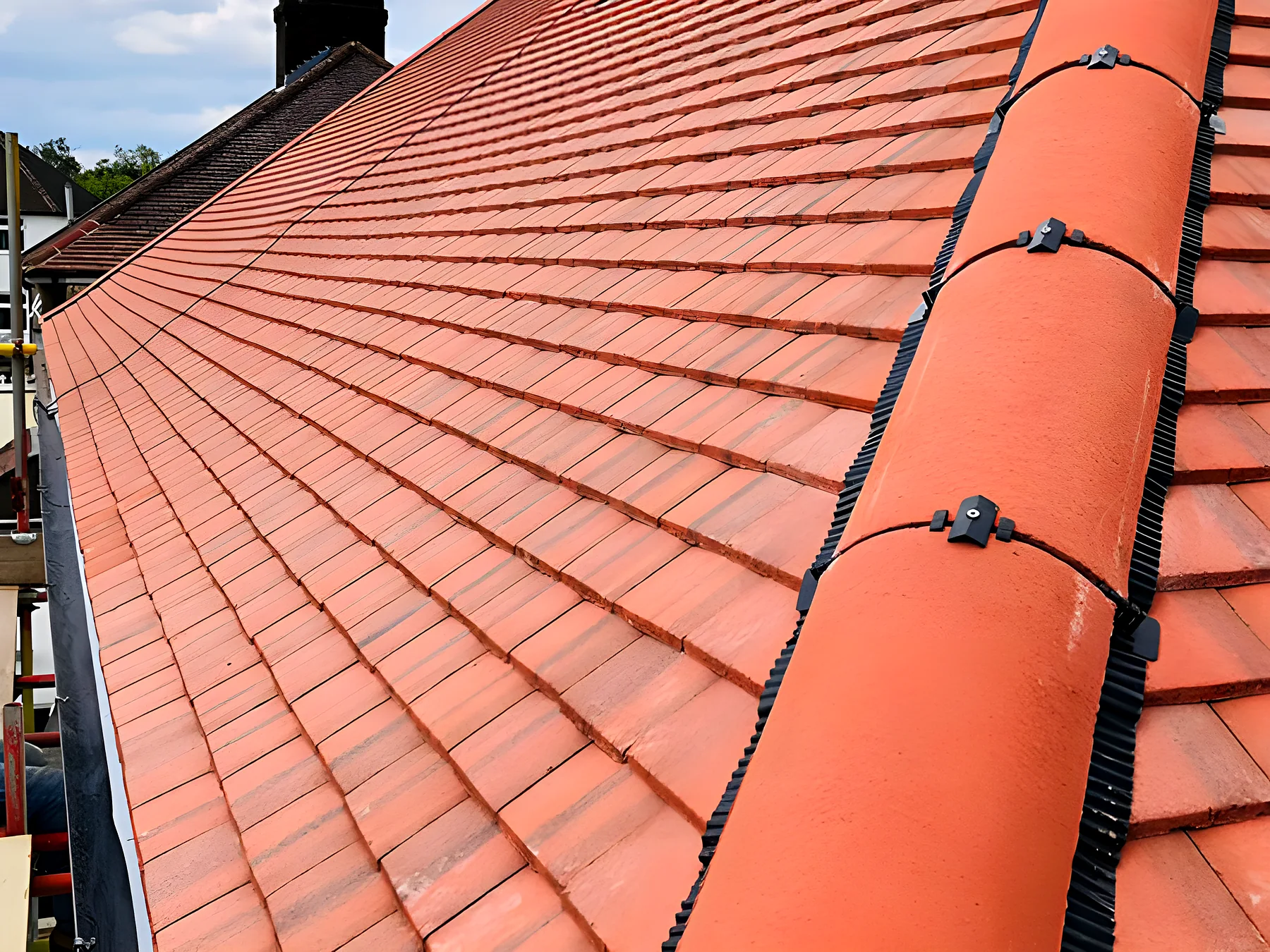
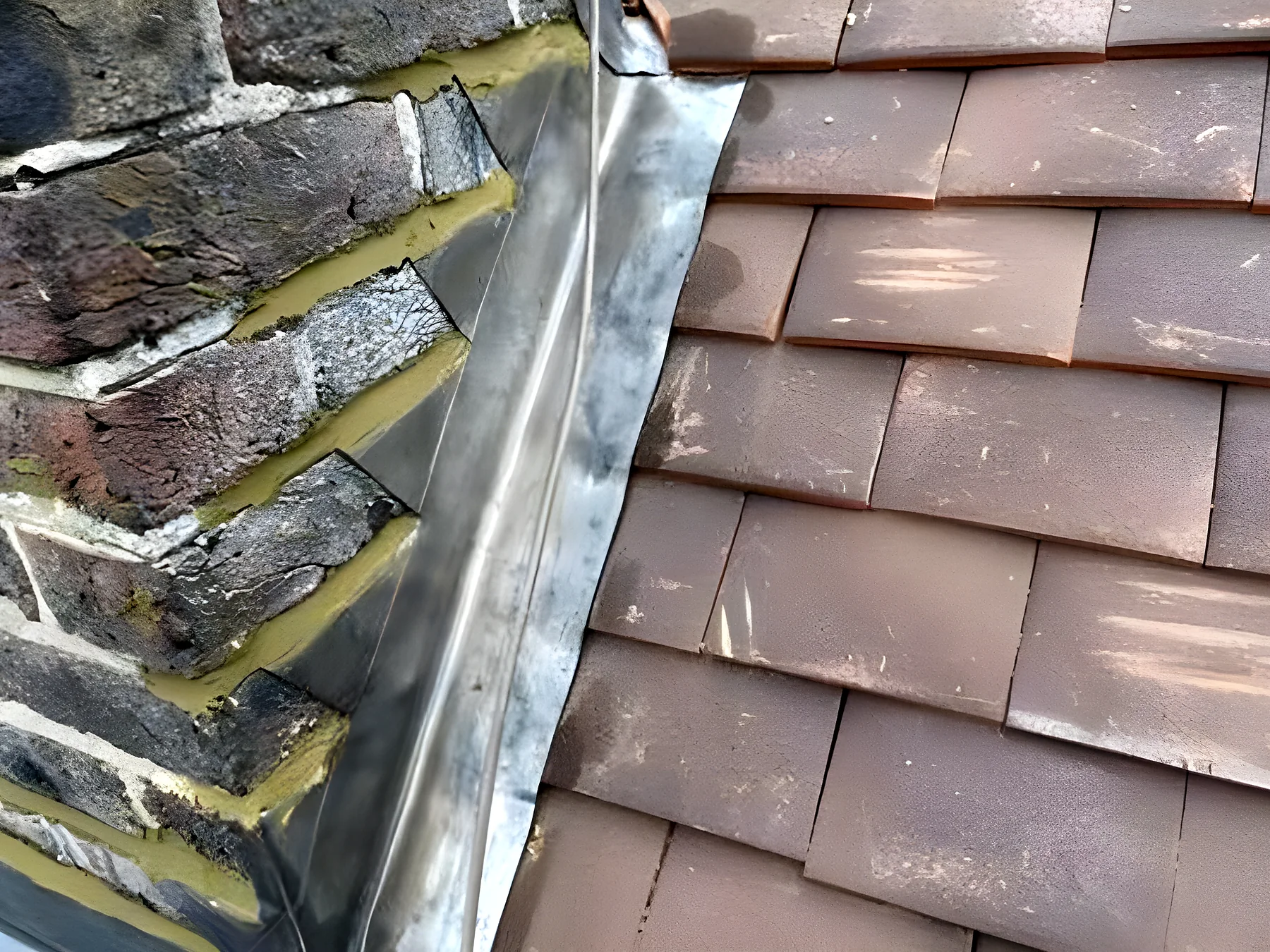
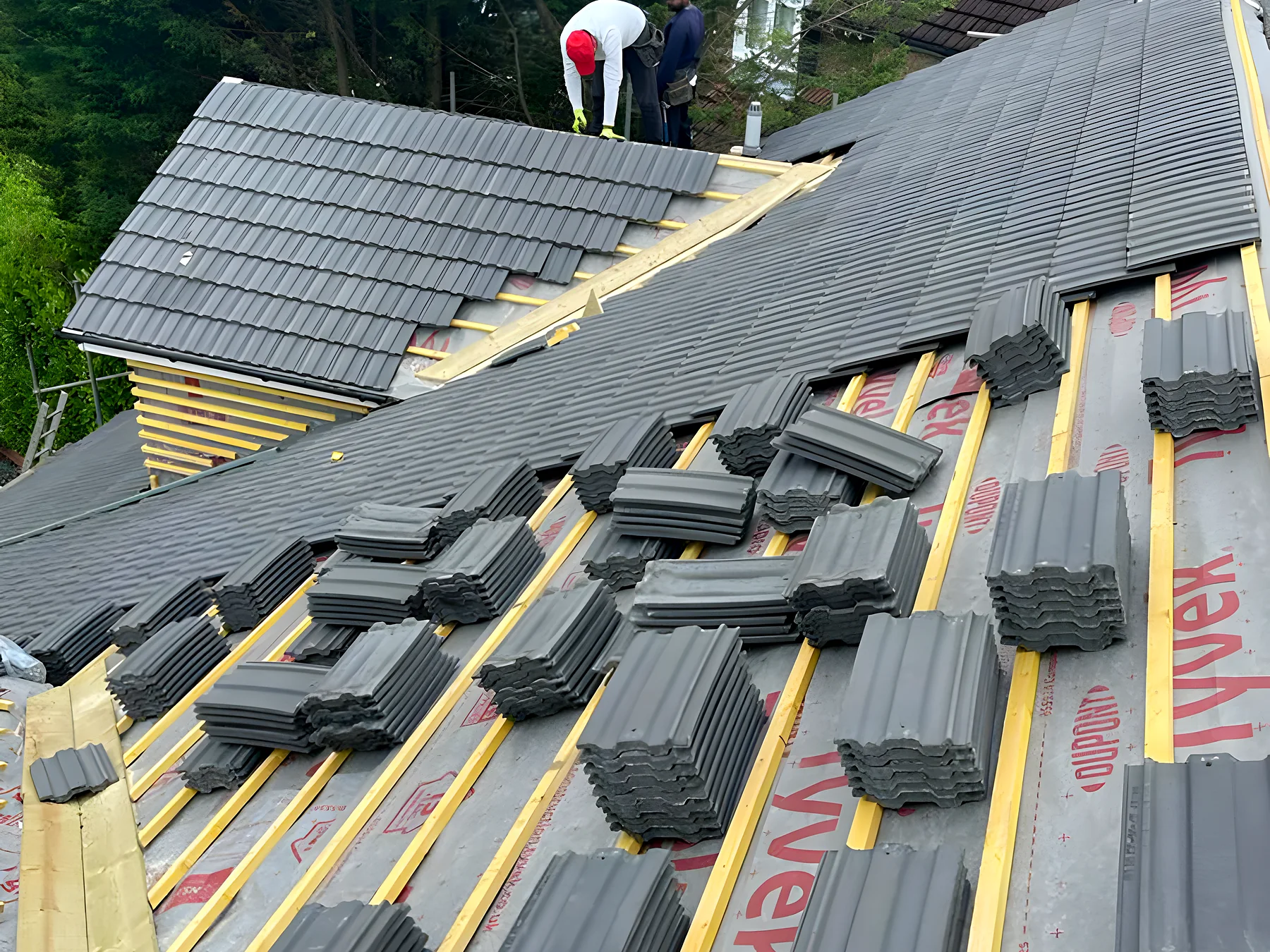
The permanent repair is done to the same standard as any other job: tiles and slates fixed to BS 5534, lead of the right code, mortar work where it belongs. An emergency does not mean a lesser repair, only a quicker first visit.
Insurance Claims
If you are claiming for storm damage we photograph everything on the first visit and give you a written report of what we found and what we did. Insurers want dates, pictures and a description from a roofer, and that is what you get.
Most storm damage policies ask for the same things: the date, photographs of the damage before anything was moved, a description of the cause from a roofer, and an itemised quote for the repair. Our first visit report covers all four, and we are used to speaking to loss adjusters where a claim needs it.
Storm damage is generally covered where the cause was the weather rather than wear; a roof that was already failing is usually treated differently, and the report says plainly which it was, because a claim built on the facts is the one that gets paid.
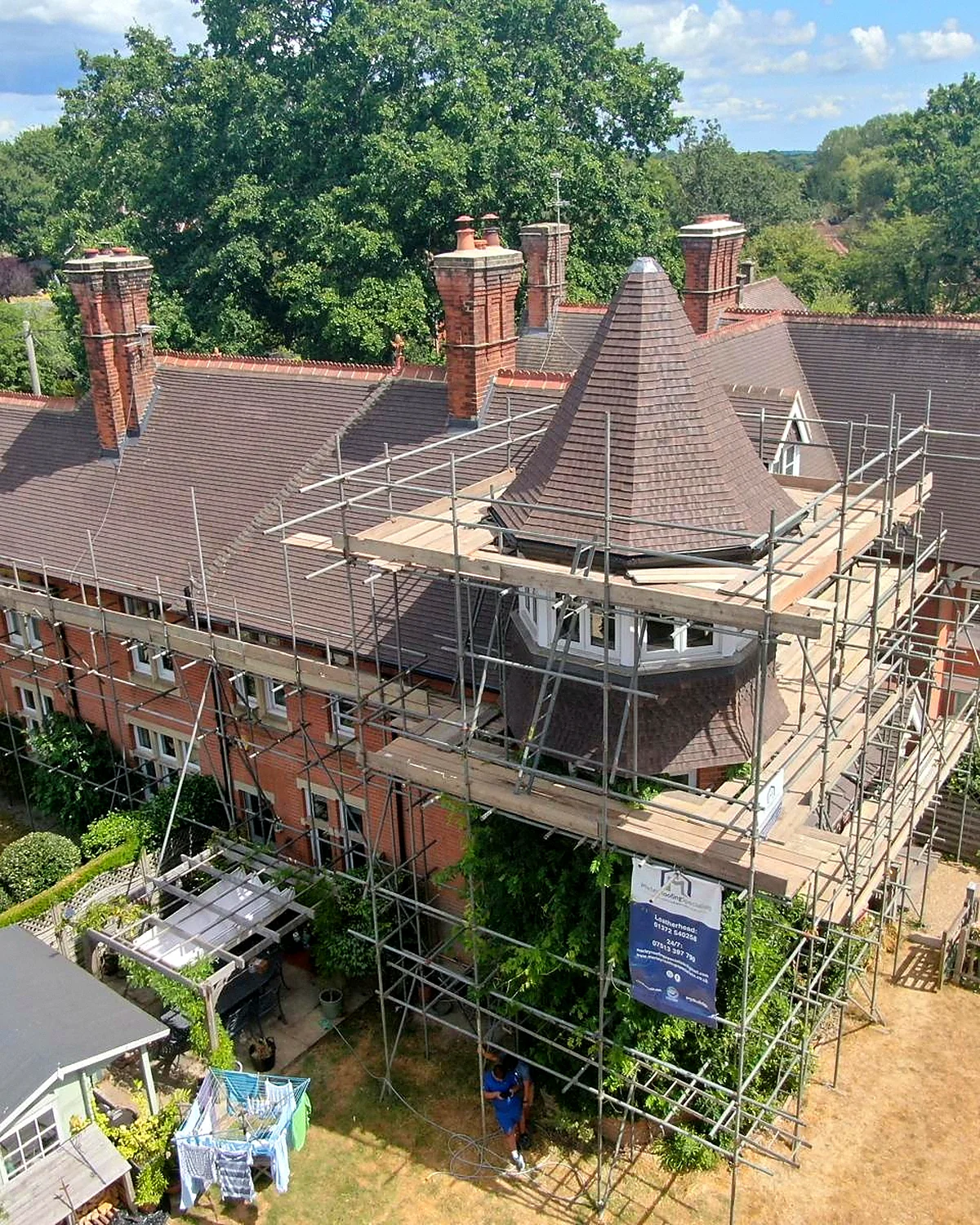
Sounds like your roof?
The Signs We AreUsually Called For.
- Water dripping or running through a ceiling
- A ceiling bulging or stained and spreading
- Tiles, slates or ridge tiles on the ground
- A visible hole, or daylight through the loft
- A chimney pot or stack leaning or fallen
- A flat roof covering lifted or torn by wind
How it works
Emergency Roof Repairs:How It Works.
What happens between getting in touch and the finished job.
- 01
Call the Mobile, Any Hour
07513 397 799 is answered around the clock. Tell us what is happening and where. A photograph helps, but do not go up to take one.
- 02
We Make It Safe
The first visit stops the damage: a temporary cover over the hole, loose tiles and slates taken down, a blocked outlet cleared, a dangerous chimney made safe.
- 03
Survey When It Is Dry
Once the weather allows we survey the roof properly, photograph what the storm has exposed and give you a written price for the permanent repair.
- 04
The Permanent Repair
The lasting fix, done in dry weather, with the photographs and the paperwork an insurer asks for.
Call the mobile, any hour
01 / 04
Emergency roof repairs questions
The QuestionsPeople Ask First.
Anything not covered here, call 01372 540 258 and ask. You will get a roofer, not a call centre.
Do you really answer at night?
Yes. The mobile is answered 24 hours. Please call at any hour rather than wait until morning; a small leak overnight can bring a ceiling down.
What can I do while I wait?
Put a bucket under the drip, move anything that matters out from under it, and if the ceiling is bulging, pierce it with a screwdriver to let the water out before the plasterboard comes down. Do not go on the roof.
Does an emergency cost more?
Making a roof safe out of hours in bad weather is a different job from a booked repair on a Tuesday, and it is priced as one. We will always tell you if it can safely wait until morning.
Will my insurer cover it?
Storm damage usually is covered; wear and tear usually is not. We give you photographs and a written description so your insurer has what it needs to decide.
Free survey and quote
Call Us, or Senda Photograph.
A picture from the ground is usually enough for us to tell you what we are looking at. The survey and the written quote are free, and there is no obligation on either.
- London
- 0203 507 1501
- Leatherhead
- 01372 540 258
- Reigate
- 01737 749202
- Mobile, 24 hours
- 07513 397 799