
2 September 2026
A roof copes with rain falling straight down because that is what it is designed for. Wind driven rain is different. It gets under tiles, behind flashings and up under the edges of anything that is not sealed against it. So a leak that only shows in a storm is nearly always a detail that has failed, rather than the covering itself.
The Usual Suspects
Lead flashing around a chimney that has pulled away from the brickwork a few millimetres. A valley where the lead has split along a fold. A ridge tile whose mortar has gone on the windward side. A vent or a soil pipe where the collar has perished. A verge where the pointing has dropped out. None of these let much water in on a calm day; all of them do when the wind is pushing rain sideways.
Where to Look
Trace the damp patch on the ceiling upwards and sideways, not just upwards. Water runs along the top of a rafter or the underside of the felt before it drops. If the patch is near a chimney breast, it is the chimney. If it is in a room with a valley above it, it is the valley. If it is at the edge of the house, it is probably the verge or the gutter.
Why Sealant Is Not the Answer
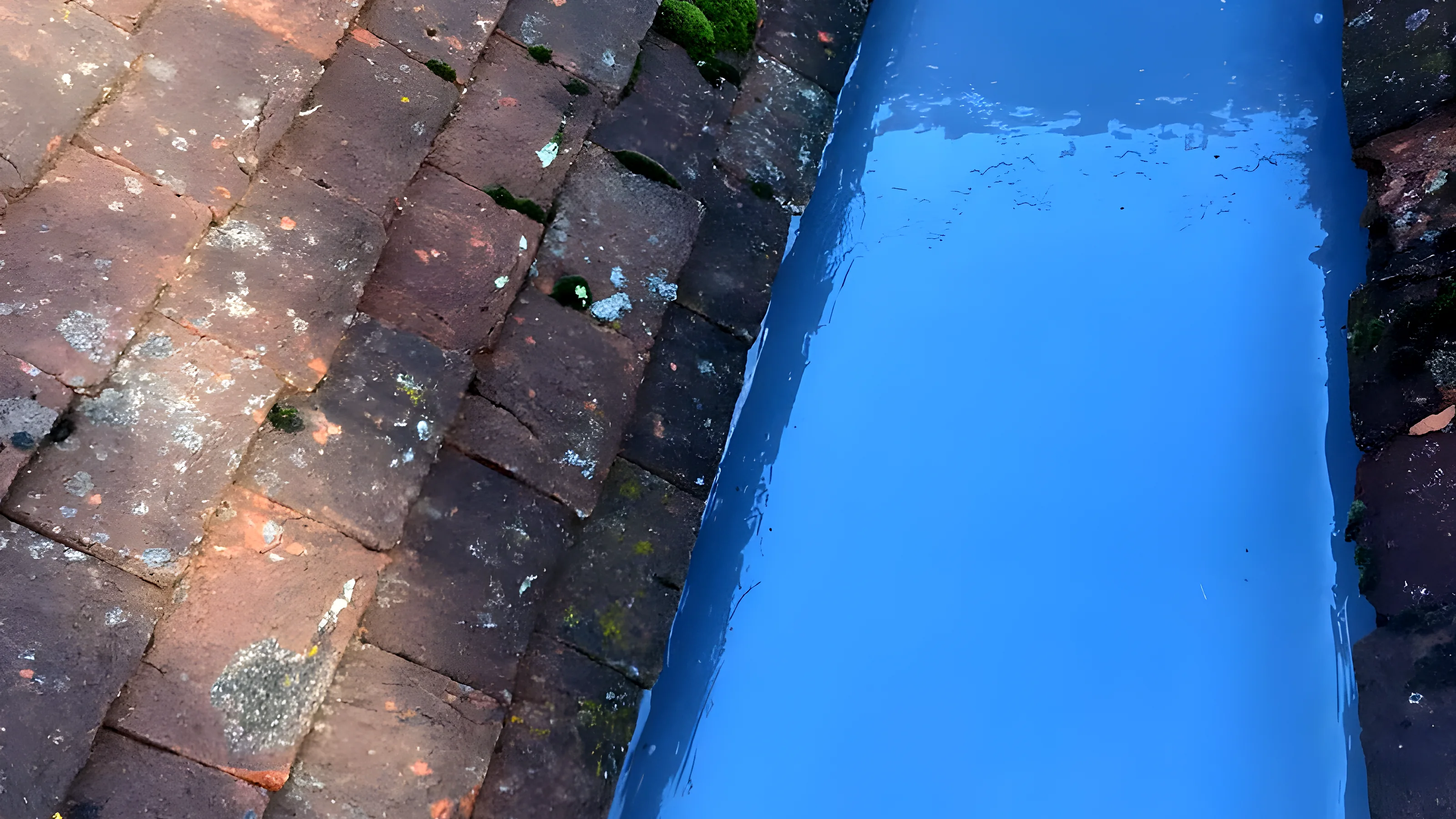
Someone will offer to run a bead of sealant along the lead. It works for a few months and then it does not, because sealant does not move with the roof and lead does. The proper repair is new lead dressed into the brickwork, which is a couple of hours with the right tools and lasts decades.
What We Do
Go up in dry weather, find the detail, photograph it, and fix that. It is usually a small job. The survey is free and the quote is written down.